

Views: 0 Author: Site Editor Publish Time: 2026-10-07 Origin: Site


Sourcing raw active ingredients carries significant formulation and compliance risks. A minor variance in raw material specifications can compromise an entire production run, leading to wasted batches and missed launch deadlines. Procurement and R&D teams often struggle to align molecular weight specifications, purity levels, and regulatory documentation when evaluating global chemical distributors and direct manufacturers. The market is flooded with varying grades, making it difficult to separate reliable partners from inconsistent vendors. To mitigate formulation failures and supply chain disruptions, organizations must adopt a rigorous, evidence-based framework for vetting suppliers of this active ingredient. You need a standardized approach to verify technical claims, audit manufacturing processes, and ensure long-term supply stability. This guide provides a technical checklist for evaluating suppliers based on grade, molecular weight, compliance, and scalability, giving you the exact parameters needed to make informed sourcing decisions.
Molecular Weight Dictates Application: Supplier viability depends entirely on their ability to consistently produce the specific dalton range (high, medium, low, or oligomeric) required for your end-product's penetration or surface hydration goals.
Documentation is Non-Negotiable: Reliable suppliers must provide transparent, batch-specific Certificates of Analysis (CoA), Safety Data Sheets (SDS), and proof of GMP/ISO compliance.
Purity Impacts Formulation Stability: High purity hyaluronic acid powder minimizes the risk of microbial contamination and unexpected viscosity shifts during the preparation of stock solutions.
Certifications Drive Market Positioning: For clean-label brands, verifying vegan, organic, or COSMOS/ECOCERT compliance at the raw material stage is critical for final product claims.
Molecular weight fundamentally alters how this polymer behaves in a solvent and on the skin. You must define precise technical requirements before initiating supplier discussions. High molecular weight variants typically exceed 1.5 million Daltons. They excel at surface hydration by forming a breathable viscoelastic film on the epidermis. This film significantly reduces transepidermal water loss (TEWL) and provides immediate tactile smoothness. Formulators rely on high molecular weight grades to build viscosity in serums and creams, acting as both an active ingredient and a rheology modifier. These large molecules cannot penetrate the skin barrier, meaning their primary function remains entirely on the surface.
Medium and low molecular weight fractions range from 50,000 to 1.5 million Daltons. These smaller chains penetrate deeper into the epidermal layers. They provide sustained moisture retention without leaving a tacky residue on the skin surface. Formulators use medium weights to reduce erythema and support the skin's natural barrier function. Oligomeric or ultra-low molecular weight versions fall below 10,000 Daltons. They exhibit cellular-level activity by interacting with CD44 receptors. Formulators use them in specialized anti-aging serums targeting deep tissue hydration and elasticity repair.
Assess whether the supplier guarantees tight molecular weight tolerances batch-to-batch. A supplier might provide a 1.2 million Dalton batch today and a 1.8 million Dalton batch next month. This variance will drastically alter the texture, spreadability, and efficacy of your final product. Strict lot-to-lot consistency prevents these costly texture variations. Require your supplier to provide Size-Exclusion Chromatography (SEC) or Multi-Angle Light Scattering (MALS) data to prove their molecular weight claims.
You must differentiate between available grades based on your end-use application. Sourcing cosmetic grade sodium hyaluronate powder ensures the material is strictly engineered for topical applications. This includes serums, lotions, creams, and masks. Medical grade materials serve entirely different functions. Manufacturers use medical grades for intra-articular joint injections, ophthalmic surgical drops, and advanced wound care matrices. Food grade variants are processed specifically for oral consumption in dietary supplements and functional foods.
Each grade carries distinct endotoxin limits, heavy metal thresholds, and microbial testing requirements. Medical grades demand near-zero endotoxin levels, typically below 0.05 EU/mg. They require rigorous sterilization protocols and extensive downstream purification using ultrafiltration. Cosmetic grades focus heavily on microbial limits and protein residue reduction to prevent allergic reactions on compromised skin. Food grades prioritize heavy metal compliance and gastrointestinal safety profiles, often allowing slightly higher protein residues than cosmetic grades.
Outline the regulatory standards your supplier must meet. Depending on your target market, they may need to comply with the United States Pharmacopeia (USP), European Pharmacopoeia (EP), or Japanese Pharmacopoeia (JP). Verifying these standards early eliminates non-compliant suppliers from your shortlist. Request specific documentation proving their manufacturing facility holds the appropriate ISO certifications for the grade they are producing.
Modern production relies almost exclusively on bacterial fermentation. Manufacturers typically utilize strains like Streptococcus zooepidemicus or Bacillus subtilis. This method contrasts sharply with legacy animal extraction techniques, which historically harvested the polymer from rooster combs. Fermentation offers superior yield control and produces a highly uniform polymer chain. The fermentation broth undergoes extensive downstream processing, including ethanol precipitation and activated carbon filtration, to isolate the pure polymer.
Vegan, fermentation-derived powder provides distinct advantages. It eliminates the risk of transmitting animal-borne pathogens and significantly reduces allergen risks associated with avian proteins. This aligns perfectly with modern consumer demands for cruelty-free and plant-based formulations. Bacillus subtilis strains are gaining traction because they do not naturally produce endotoxins, simplifying the purification process.
When a supplier claims their product is natural or organic, you must verify these claims. Request specific third-party certifications. Look for COSMOS or ECOCERT documentation. These certificates ensure the raw material aligns with strict clean-beauty standards. Sourcing high purity hyaluronic acid powder requires auditing the supplier's entire upstream and downstream manufacturing workflow to ensure no prohibited synthetic solvents are used during extraction.
A Certificate of Analysis is the most critical document in your evaluation process. You must scrutinize specific metrics on every CoA. The assay percentage should typically exceed 95%, measured via High-Performance Liquid Chromatography (HPLC) or titration. Glucuronic acid content serves as a key indicator of polymer integrity; it should generally sit above 44%, verified using the Carbazole method. Loss on drying measures moisture content and should remain below 10%. The pH level of a 0.5% aqueous solution should consistently read between 6.0 and 7.5.
Integrating this raw material requires strict attention to impurity profiles. Identify red flags immediately. Generic, non-batch-specific data is unacceptable. Missing third-party lab verification indicates poor quality control. Require absolute transparency regarding residual solvents, especially ethanol or isopropanol used during precipitation. Demand clear limits on protein residues, typically capped below 0.1% using the Lowry method, to minimize skin sensitization risks.
Parameter | Standard Specification (Cosmetic Grade) | Testing Methodology |
|---|---|---|
Assay (Sodium Hyaluronate) | ≥ 95.0% | HPLC / Titration |
Glucuronic Acid | ≥ 44.0% | Carbazole Method |
Loss on Drying | ≤ 10.0% | Vacuum Drying (105°C) |
Protein Content | ≤ 0.1% | Lowry Method |
Heavy Metals (Pb, As, Hg, Cd) | ≤ 20 ppm total | ICP-MS |
Total Aerobic Microbial Count | ≤ 100 CFU/g | Plate Count |
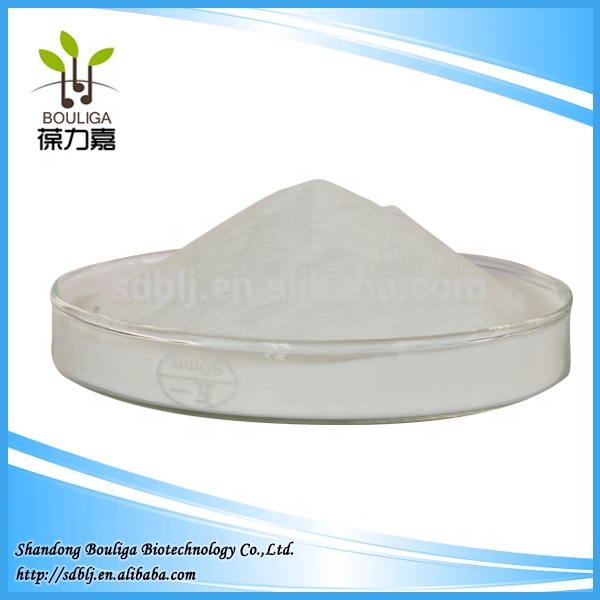
Choosing between a direct manufacturer and a wholesale distributor dictates your supply chain agility. Partnering with a direct manufacturer offers distinct technical advantages. They can engineer custom molecular weight fractions tailored to your specific formulation. They also provide better economies of scale for large-volume orders. Direct manufacturers maintain complete control over the production timeline, allowing for greater transparency during quality audits. However, direct manufacturers often require longer lead times for overseas shipping and may demand higher initial commitments.
Wholesale distributors provide different operational benefits. They maintain local buffer stocks in regional warehouses. This ensures faster shipping and protects against global transit delays caused by port congestion or customs holds. Distributors often offer dedicated regional customer service and handle the complexities of import duties. When sourcing bulk hyaluronic acid powder, evaluate the supplier's geographic distribution network. Assess their proven ability to navigate regional import logistics, customs clearance, and warehouse management under specific Incoterms like DDP (Delivered Duty Paid) or FOB (Free on Board).
Supplier flexibility is paramount during the scale-up phase. Evaluate their ability to transition smoothly from R&D sample sizes to pilot runs, and eventually to full commercial production. A supplier demanding a 100kg MOQ during your initial testing phase introduces unnecessary financial risk. You need a partner capable of supporting your growth trajectory without forcing massive inventory holding costs.
Prioritize suppliers willing to provide free R&D samples ranging from 10g to 50g for initial benchtop testing.
Use these samples to conduct hydration checks, viscosity measurements, and preservative compatibility tests.
Request 1kg to 5kg quantities for pilot plant runs to verify scalability in standard mixing tanks.
Assess historical lead times for commercial volumes packed in standard 25kg drums.
Verify their buffer stock capabilities to prevent sudden production bottlenecks during peak manufacturing seasons.
This polymer is highly hygroscopic. It rapidly absorbs moisture from the surrounding air, which alters its active weight and causes severe caking. Analyze the supplier's packaging protocols carefully. Standard industry practice requires double-sealed low-density polyethylene (LDPE) bags. These bags must be housed inside moisture-barrier aluminum foil pouches to ensure a low Moisture Vapor Transmission Rate (MVTR). The pouches are then packed into rigid fiber drums to prevent physical compression during transit.
Review the recommended storage conditions. The facility must maintain strict temperature and humidity controls, typically keeping the environment below 25°C and under 60% relative humidity. When stored correctly in unopened original packaging, the material should carry a standard 24-to-36-month shelf life guarantee. Poor packaging leads to premature degradation, clumping, and a complete loss of formulation viability. Inspect the packaging upon arrival for any signs of puncture or moisture ingress.
Dispersing this polymer into water presents a notorious formulation challenge. Rapid addition causes immediate clumping. Formulators call these clumps "fish eyes." The outside of the powder particle hydrates instantly, forming a tough gel barrier. This barrier traps dry powder inside, preventing further dissolution. Breaking down these clumps requires excessive mixing time, which delays production schedules and introduces unnecessary shear stress to the polymer chains.
Evaluate supplier support for formulation guidelines. A reliable supplier of hyaluronic acid powder will provide detailed hydration protocols. They should recommend optimal shear rates and hydration times. Pre-wetting the powder with a non-solvent like glycerin or propylene glycol to create a slurry before adding water prevents clumping entirely. For large-scale manufacturing, utilizing an eductor system or an inline powder disperser ensures uniform hydration. Heating the water phase to 60°C accelerates hydration, but temperatures exceeding 70°C will degrade the polymer.
Hydrated stock solutions are highly susceptible to microbial proliferation. The rich polysaccharide structure provides an ideal food source for bacteria and fungi. The high water activity (Aw) of a 1% or 2% solution requires immediate preservation. You must introduce compatible preservative systems immediately upon hydration. Phenoxyethanol, ethylhexylglycerin, and potassium sorbate are common choices. Ensure your supplier provides compatibility data for various preservative blends and conduct your own USP <51> antimicrobial effectiveness testing.
Polymer chains are fragile under certain conditions. Extreme pH levels below 4.0 or above 10.0 cause rapid chain cleavage, drastically reducing viscosity. High heat during the emulsification phase also breaks down the polymer. High-shear mixing over extended periods mechanically shears the molecules. These factors reduce the effective molecular weight, ultimately destroying the intended viscosity and hydration properties of your final product. Add the hydrated solution during the cool-down phase of your emulsion, typically below 40°C, to preserve polymer integrity.
Regulatory compliance dictates market access. A supplier's regulatory team holds immense hidden value. They facilitate rapid market entry by providing comprehensive documentation dossiers. If you intend to sell in the European Union, the supplier must provide REACH compliance documentation, proving their tonnage bands are properly registered. They must ensure the raw material meets all European Cosmetics Regulation (EC) No 1223/2009 standards.
For the United States market, INCI registration under the name Sodium Hyaluronate is mandatory. Medical or pharmaceutical applications require FDA master files (DMF) to support your final product submissions. Missing documentation halts product launches and traps inventory in quarantine. A robust quality management system (QMS) at the supplier level acts as your first line of defense against regulatory audits. Sourcing hyaluronic acid powder from a fully compliant facility ensures you can pass facility inspections without delays.
Thorough safety data protects your brand reputation. The supplier must provide detailed impurity profiles. This includes testing for residual heavy metals using Inductively Coupled Plasma Mass Spectrometry (ICP-MS). It also includes screening for specific pathogenic microorganisms like Pseudomonas aeruginosa, Staphylococcus aureus, and Candida albicans. Demand access to these testing methodologies.
Verify that their in-house laboratories utilize calibrated, modern analytical equipment. Third-party audit reports offer an additional layer of confidence in their safety claims. Request their standard operating procedures (SOPs) for equipment sterilization and cross-contamination prevention. A supplier unwilling to share their impurity profiling methods poses a severe risk to your final product safety.
Request 10g to 50g samples of specific molecular weights from your top three shortlisted candidates to begin benchtop evaluation.
Conduct in-house solubility, viscosity, and sensory testing to verify the supplier's technical claims against your formulation requirements.
Initiate a comprehensive audit of their quality management systems, requesting batch-specific CoAs and regulatory documentation dossiers.
Establish clear, written specifications for acceptable molecular weight ranges and impurity limits before signing bulk supply agreements.
A: Sodium hyaluronate is the salt form of hyaluronic acid. It is more stable, highly water-soluble, and less susceptible to oxidation. This enhanced stability and solubility make it the industry standard for commercial cosmetic and pharmaceutical formulations.
A: Suppliers must provide a batch-specific Certificate of Analysis (CoA). This document details the exact molecular weight. Laboratories typically measure this using Size-Exclusion Chromatography (SEC) or High-Performance Liquid Chromatography (HPLC).
A: When stored correctly in original, unopened, moisture-proof packaging away from direct light and heat, the dry powder typically remains highly stable for 24 to 36 months.
A: The powder is extremely hygroscopic. Rapid addition to water without proper dispersion techniques causes the outside of the particles to hydrate instantly. This forms a tough gel barrier, trapping dry powder inside. Pre-wetting with glycerin prevents this issue.
A: High-quality cosmetic grades typically specify an assay of 95% or higher. They must feature strict limits on proteins (under 0.1%) and heavy metals (under 20 ppm). They also require a clear specification for glucuronic acid content, usually exceeding 44%.
