

Views: 0 Author: Site Editor Publish Time: 2026-08-30 Origin: Site


The rising global prevalence of osteoarthritis is driving massive demand for conservative joint preservation. This trend makes joint care a high-yield category for medical distributors and clinic procurement teams. You must carefully navigate a saturated market of medical devices. Not all injectables are manufactured equally. Adding subpar products to your distribution program risks severe regulatory blowback. It can also lead to poor clinical outcomes and permanently damage relationships with healthcare providers. Quality assurance acts as a necessary firewall against these costly mistakes. To build a profitable and medically sound portfolio, distributors must move beyond standard marketing claims. You need to strictly evaluate product specs, audit supplier credibility, and understand clinical adoption barriers. This guide walks you through essential steps to vet potential manufacturing partners. We detail critical benchmarks for formulation efficacy and explore strategic implementation realities for a successful rollout.
Selecting the right injectables requires analyzing core knee injections specifications, such as molecular weight, concentration, and formulation type.
Evaluating a knee injections supplier demands a rigorous audit of their quality management systems, regulatory compliance (FDA/CE/ISO), and supply chain stability.
The clinical debate between formulations—such as crosslinked vs. non crosslinked hyaluronic acid knee osteoarthritis treatments—dictates clinic adoption rates and patient satisfaction.
A successful distribution rollout requires factoring in implementation realities: storage logistics, provider training requirements, and shelf-life constraints.
Aligning your product catalog requires understanding the specific clinical pathways used by target orthopedic clinics. You must match your offerings to real-world pain management strategies. Clinicians treat varying stages of joint degeneration. Therefore, they demand a versatile toolkit. If you only distribute a single product type, you risk losing lucrative B2B accounts. A comprehensive portfolio caters to immediate pain relief and long-term joint preservation.
Corticosteroids remain in high demand for acute pain management. They offer low upfront unit costs. Patients often experience rapid reduction in severe inflammation. However, long-term cartilage degradation concerns limit their frequent use. Many orthopedic guidelines recommend capping these applications. You should stock them as baseline entry products, but avoid relying on them for recurring revenue.
Viscosupplementation forms the cornerstone of chronic osteoarthritis management. This category provides sustained joint lubrication. It helps delay invasive replacement surgeries. When building your catalog, biological sourcing becomes a crucial differentiator. Animal-derived (avian) options carry higher risks of allergic reactions. Bio-fermentation alternatives offer higher purity. You must source reliable knee injections to ensure patient safety and steady clinic reorders.
The orthobiologics market is growing rapidly. Platelet-Rich Plasma (PRP) and stem cell therapies attract significant patient interest. However, these solutions face high variability in standardization. Regulatory approvals differ drastically across global regions. Distributing these kits requires specialized medical affairs support. You must weigh the premium margins against the complex regulatory compliance required.
A comprehensive offering combines immediate relief options with lasting biological support. Clinics prefer consolidated purchasing. They want one distributor who can supply fast-acting anti-inflammatories alongside premium lubricating gels. This balance ensures you meet diverse patient needs. It strengthens your position as a trusted vendor rather than a simple commodity seller.
You cannot evaluate medical devices on price alone. Technical product data translates directly into clinical efficacy. Superior clinical results drive patient retention for your B2B clients. Consequently, your procurement team must understand how physical chemistry impacts joint biology.
Volume and concentration dictate the treatment regimen. Some formulations require a multi-injection series. Others provide sufficient volume for single-injection regimens. Single-injection products appeal heavily to busy urban clinics. They minimize patient visits and reduce infection risks. Origin and purity also matter immensely. Fermentation-derived products minimize allergic reactions. This purity factor dramatically lowers adverse event reporting rates.
The molecular structure of hyaluronic acid determines its behavior inside the synovial capsule. Many distributors assume thicker gels perform better. This assumption is medically flawed. You must evaluate non crosslinked hyaluronic acid knee osteoarthritis products for their specific rheological properties. They closely mimic natural synovial fluid.
These natural properties ensure excellent spreadability. The fluid coats the complex joint anatomy smoothly. In contrast, highly crosslinked gels sometimes clump. They can trigger pseudoseptic inflammatory responses. Comparing degradation rates reveals important insights. Non-crosslinked versions might require slightly more frequent dosing. However, they boast superior safety profiles. Their bio-compatibility makes them highly attractive to conservative sports medicine practitioners.
Clinical Feature Comparison Overview
Specification Feature | Crosslinked Formulations | Non-Crosslinked Formulations |
|---|---|---|
Molecular Structure | Chemically bonded chains | Linear, natural chains |
Spreadability | Slower, localized initially | High, rapid joint coating |
Adverse Event Risk | Higher risk of pseudosepsis | Very low, excellent safety |
Synovial Mimicry | Moderate | High |
You must request peer-reviewed clinical trial data from manufacturers. Internal white papers often contain marketing bias. Look for published efficacy studies in reputable rheumatology or orthopedic journals. Data should demonstrate clear improvements in pain scores (like WOMAC or VAS). Relying on independent validation protects your brand credibility. It gives your sales team scientifically sound talking points.
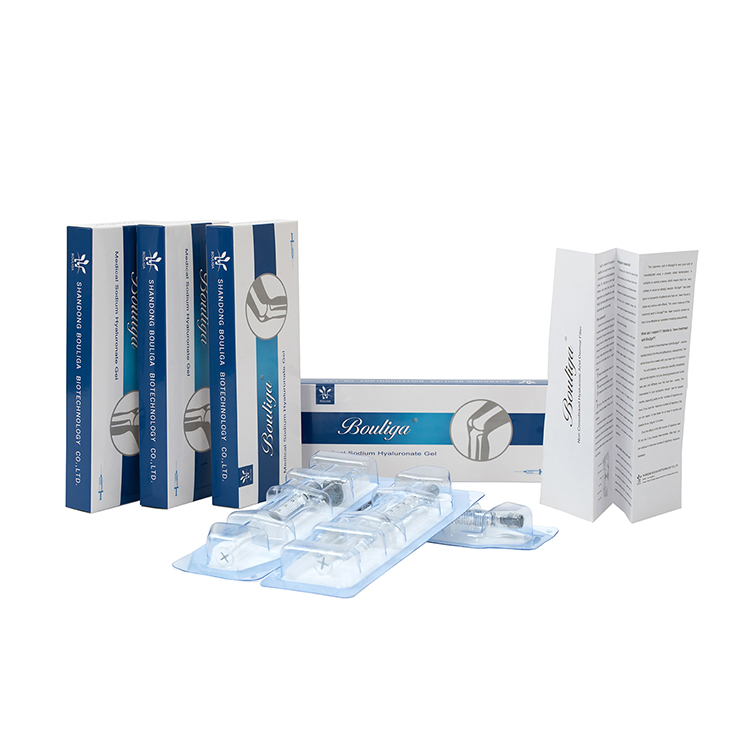
Partnering with inconsistent manufacturers introduces severe financial and reputational dangers. A single contaminated batch can trigger catastrophic product recalls. You must mitigate these risks before signing any distribution agreements. Rigorous quality assurance protects both patients and your bottom line.
Implement a strict vetting process. Do not accept verbal assurances of quality. You need documented proof of operational excellence. Focus on three primary evaluation pillars:
Regulatory Certifications: Verify current ISO 13485 compliance. This standard confirms rigorous medical device quality management. If distributing in Europe, check their CE marks and MDR transition readiness. For the US market, demand clear proof of FDA approvals or 510(k) clearances.
Manufacturing Transparency: Audit their cleanroom standards directly. You should request detailed documentation on their sterilization processes. Terminal steam sterilization is widely considered the gold standard for injectable gels. It eliminates contamination risks better than aseptic filling alone. You must also evaluate their batch-to-batch consistency reports.
Supply Chain Stability: Assess their historical lead times. Evaluate their scalability for high-volume distribution. A good partner must demonstrate resilience against raw material shortages. Ask about their backup sourcing strategies for active pharmaceutical ingredients.
Implement a stringent Request for Information (RFI) protocol. Use this document when evaluating any new knee injections supplier. The RFI should demand specific clinical trial summaries, ISO certificates, and exact production capacities. If a manufacturer hesitates to provide transparent answers, walk away. Transparency is non-negotiable in medical device distribution.
Many distributors mistakenly believe the hard work ends when the procurement contract is signed. In reality, rollout risks begin immediately after inventory arrives. You must plan for practical implementation hurdles. Ignoring these realities leads to stagnant inventory and frustrated B2B clients.
Examine the thermal stability of the products. Some advanced orthobiologics demand strict cold-chain logistics. Maintaining continuous refrigeration increases your warehousing and shipping overhead. In contrast, room-temperature stable gels offer significantly easier handling. You must also calculate how shelf-life impacts inventory turnover. Products with short expiry dates shrink distribution margins. They require aggressive stock rotation. Ensure your sales velocity matches the biological lifespan of the injectables.
Clinics adopt products much faster when suppliers provide comprehensive medical affairs support. You cannot simply drop off boxes and expect immediate usage. Doctors need confidence in the application process.
Anatomical Landmark Guides: Supply clear visual aids for joint entry points.
Ultrasound-Guided Protocols: Modern clinics rely heavily on ultrasound for precise needle placement. Provide specific echogenic guidelines for your distributed gels.
Troubleshooting Assistance: Offer access to a medical liaison who can answer technical questions about fluid viscosity and resistance during injection.
Provide robust patient education materials to your B2B clients. Doctors appreciate distributors who make their jobs easier. Supply customized brochures explaining post-injection expectations. Patients need to know the expected time-to-relief. They should understand standard post-procedure rest requirements. Managing these expectations ensures high patient satisfaction rates. Satisfied patients return for repeat treatments. This cycle drives continuous reorder volume for your business.
Moving from a longlist of suppliers to a finalized distribution contract requires a disciplined decision logic. You must synthesize clinical data, compliance checks, and logistical realities. This synthesis forms your final shortlisting framework.
Avoid the temptation to select the cheapest product available. Balancing wholesale unit cost against clinical value is critical. A slightly higher upfront cost is justified if it drastically reduces adverse event rates. Fewer adverse events mean fewer clinic complaints. It also preserves your brand reputation. High-quality knee injections specifications ultimately reduce your liability and customer service overhead.
Never commit to massive Minimum Order Quantities (MOQs) blindly. Structure limited-rollout agreements with a shortlisted supplier first. Gather real-world feedback from a small cohort of trusted orthopedic surgeons. Ask these pilot clinics to evaluate the syringe ergonomics, injection flow rate, and 30-day patient outcomes. Use this field data to validate the manufacturer's claims. If the pilot fails to meet expectations, you can pivot without absorbing massive inventory losses.
Your final step involves negotiating the SLA. This document governs the long-term partnership. Ensure it includes strict clauses for mandatory product recalls. Outline the specific marketing support the manufacturer will provide. Establish clear volume tier pricing models. The SLA must protect your margins as your distribution volume scales up. A well-negotiated contract ensures stable growth and predictable B2B supply lines.
Building a reputable distribution program for knee injectables requires a skeptical, evidence-first approach. You must thoroughly analyze product chemistry alongside the manufacturer's operational integrity. Success relies on balancing clinical efficacy with logistical feasibility. From auditing terminal sterilization to providing ultrasound training guides, every step matters. We encourage procurement teams to standardize their evaluation matrix using the specifications, compliance markers, and adoption criteria outlined above. By prioritizing quality and safety, you will secure profitable, long-term B2B success in the joint preservation market.
A: Focus primarily on molecular weight and concentration (mg/ml). You must also verify the sourcing origin. Bio-fermentation is vastly superior to animal-derived sourcing because it minimizes allergic reactions. Finally, review the pH balance to ensure optimal biocompatibility within the synovial fluid environment.
A: Explain that non-crosslinked HA closely mimics natural synovial fluid. It provides excellent immediate lubrication upon injection. Furthermore, it boasts a highly favorable safety profile. It carries significantly lower risks of severe pseudoseptic inflammatory reactions compared to some heavily crosslinked gels on the market.
A: Look for verifiable third-party quality system certifications, especially ISO 13485. You should also demand independent, peer-reviewed clinical efficacy data rather than internal marketing white papers. Always conduct a transparent, rigorous audit of their manufacturing cleanrooms and terminal sterilization facilities before signing agreements.
