

Views: 0 Author: Site Editor Publish Time: 2026-09-30 Origin: Site


Patients often abandon skin rejuvenation treatments because they misunderstand the clinical timeline. Committing to cosmetic injectables requires knowing exactly how long the process takes and how the skin responds biologically. You cannot expect instant structural changes from a treatment designed for cumulative efficacy. When the first appointment yields only a subtle glow, many patients stop showing up, wasting their initial investment. To achieve actual skin redensification, you must follow a strict, evidence-based protocol. We separate these clinical protocols into an intensive loading phase and a long-term maintenance schedule. This breakdown helps you decide if the required clinic visits fit your schedule, your tolerance for downtime, and your aesthetic goals. We rely on physiological data and cellular turnover rates, rather than marketing claims, to map out the exact number of sessions you need for visible, sustained results.
Standard Baseline: Most clinical protocols require an initial "loading phase" of 3 to 6 sessions spaced 2 to 4 weeks apart to achieve visible baseline results.
Extended Protocols: For advanced photoaging or severe indications, patients should expect a longer commitment, ranging from 10 to 15 sessions with tighter initial intervals.
Ingredient Dependency: Protocols utilizing a hyaluronic acid mesotherapy treatment typically show faster hydration benefits, while collagen-stimulating vitamin blends require longer timelines.
Age and Indication Variables: Treatment frequency scales with age and skin laxity; patients in their late 20s may need 3 sessions, whereas those 40+ often require up to 15 total sessions.
Maintenance Reality: Results are not permanent; sustaining the clinical outcome requires maintenance sessions every 3 to 6 months.
Defining the success criteria for this procedure requires a clear clinical distinction between traditional volumizing injectables and skin-conditioning treatments. Traditional dermal fillers utilize highly cross-linked hyaluronic acid designed to physically lift tissue, restore lost facial volume, and augment bone structure. In contrast, success with mesotherapy fillers is not measured by immediate structural volume. The clinical goal is cumulative dermal redensification, improved cellular hydration, and the gradual restoration of the extracellular matrix.
When we evaluate a patient for skin rejuvenation, we look at the integrity of the dermal layer. If the skin is thin, crepey, or severely dehydrated, injecting a heavy volumizer will not fix the underlying tissue quality. You need a treatment that conditions the skin from the inside out. This is where micro-injection protocols become necessary. By delivering micro-droplets of active ingredients directly into the papillary dermis, we force the skin to repair itself over a series of carefully timed appointments.
Clinical Feature | Traditional Dermal Fillers | Mesotherapy Protocols |
|---|---|---|
Primary Objective | Volume restoration and structural lifting | Skin hydration, redensification, and glow |
Hyaluronic Acid Type | Highly cross-linked (dense gel) | Non-crosslinked (fluid liquid) |
Injection Depth | Deep dermis, subcutaneous, or supraperiosteal | Superficial to mid-dermis (papillary layer) |
Visible Results | Immediate | Cumulative (requires multiple sessions) |
Standard Protocol | Single session with annual touch-ups | 3 to 6 loading sessions, then quarterly maintenance |
The composition of these formulations is specifically engineered for skin quality rather than augmentation. The primary ingredient is typically non-crosslinked hyaluronic acid. Because it lacks the chemical bonds that make traditional fillers stiff, it flows freely through the dermal layers to bind moisture without creating localized lumps. This base is often enriched with a complex biorevitalizing cocktail containing essential amino acids, powerful antioxidants, and targeted peptides.
Biologically, these micro-injections work by stimulating the fibroblasts. These are the specific cells responsible for producing collagen and elastin. When an injectable mesotherapy filler is introduced into the skin, it provides both the mechanical stimulation from the needle punctures and the chemical building blocks necessary for cellular repair. Rather than physically lifting the skin, the treatment triggers a regenerative cascade. Over several weeks, this process thickens the dermis, improves elasticity, and neutralizes free radical damage.
Practitioners utilize different delivery methods depending on the specific product and the patient's pain tolerance. Manual injection using a standard syringe allows for precise placement in deep wrinkles, while automated mesoguns deliver hundreds of micro-droplets at a uniform depth. Regardless of the delivery mechanism, the biological requirement remains the same: the skin needs repeated exposure to the active ingredients to change its structural composition.
Achieving optimal results relies heavily on a two-part clinical framework. You cannot approach this treatment casually. The first stage is the loading phase, which is a biological necessity for saturating the dermis with active ingredients. During this intensive period, the goal is to overwhelm the skin's natural degradation processes.
Initial Saturation: The first two sessions flood the extracellular matrix with non-crosslinked hyaluronic acid, immediately binding water and improving superficial hydration.
Fibroblast Activation: By the third and fourth sessions, the repeated mechanical trauma and amino acid delivery force the fibroblasts out of their resting state and into active collagen production.
Structural Remodeling: Sessions five and six solidify the newly formed collagen network, resulting in visible improvements in skin density and a reduction in fine lines.
Once the desired dermal density and hydration are achieved, the protocol shifts to the maintenance phase. The objective changes from active correction to preservation. Maintenance sessions prevent the degradation of the newly formed collagen and elastin network. Because the body naturally continues to age and metabolize hyaluronic acid, these periodic touch-ups sustain the clinical outcome and protect the investment made during the initial loading phase.
Mapping out the exact numerical ranges for your treatment plan requires looking at clinical consensus rather than exaggerated promises of single-session cures. Skin regeneration is a biological process that cannot be rushed. While industry averages provide a solid baseline for expectations, the final number of sessions must always be determined individually during a thorough specialist consultation. We evaluate your unique cellular turnover rate, baseline skin health, and lifestyle factors before committing to a timeline.
Age is one of the most reliable predictors of how many sessions will be required. It directly correlates with natural collagen depletion, skin laxity, and the body's ability to heal from micro-trauma.
For patients aged 25 to 30, the approach is primarily preventative. The skin still possesses a robust extracellular matrix and high natural hyaluronic acid levels. In this demographic, a standard protocol typically involves 3 to 4 sessions spaced 3 to 4 weeks apart. This is sufficient to maintain optimal hydration, delay the onset of static wrinkles, and sustain a healthy cellular environment. The fibroblasts in younger skin respond rapidly to stimulation, requiring fewer interventions to achieve a visible glow.
Patients between the ages of 30 and 35 usually present with early signs of aging, such as fine lines around the eyes or a slight loss of skin elasticity. Clinical guidelines for this group recommend 4 to 5 sessions. Practitioners often utilize a stricter 2-week interval during the loading phase. This tighter spacing effectively jumpstarts cellular stimulation and reverses early dermal thinning before it becomes structurally entrenched.
For those aged 35 to 40 and beyond, the protocol shifts to a restorative focus. The skin has typically experienced significant collagen degradation, volume loss, and cumulative environmental damage from UV exposure. These patients require a much more intensive approach, ranging from 6 to 15 total sessions. The loading phase may start with aggressive 7 to 10-day intervals to rapidly saturate the tissue. Once the skin's structural integrity improves, the practitioner will taper the appointments to standard monthly spacing.
Beyond age, the specific aesthetic indication dictates the length of the clinical timeline. Different skin concerns require varying levels of biological remodeling. We categorize these timelines based on the depth of the tissue damage.
Aesthetic Goal | Recommended Loading Sessions | Expected Time to Visible Results |
|---|---|---|
Deep Hydration & Superficial Glow | 3 sessions | 2 to 4 weeks (after 2nd session) |
Reduction of Fine Lines & Crepiness | 4 to 6 sessions | 6 to 8 weeks (requires neocollagenesis) |
Mild Acne Scarring Improvement | 6 to 8 sessions | 8 to 12 weeks |
Severe Hyperpigmentation & Photoaging | 10 to 15 sessions | 12+ weeks (progressive fading) |
If the primary goal is deep hydration and a superficial glow, the timeline is relatively short. Patients typically need only 3 sessions to achieve optimal moisture retention. The non-crosslinked hyaluronic acid acts quickly to bind water within the epidermis, providing a rapid cosmetic improvement.
Treating fine lines and crepey skin requires more patience. This goal depends on neocollagenesis—the creation of new collagen fibers. Structural remodeling takes time. A protocol of 4 to 6 sessions is standard, allowing the amino acids and peptides to fully integrate and stimulate the fibroblasts. Visible smoothing of crepey texture usually peaks several weeks after the final loading session.
Addressing severe hyperpigmentation or advanced photoaging demands the longest commitment. Protocols can extend to 10 to 15 sessions. The timeline is highly dependent on the depth of the pigment, the degree of skin laxity, and whether the injections are being combined with concurrent therapies like chemical peels or laser resurfacing. Breaking down stubborn melanin deposits while simultaneously rebuilding the dermal matrix is a slow, progressive process that requires strict adherence to the clinical schedule.
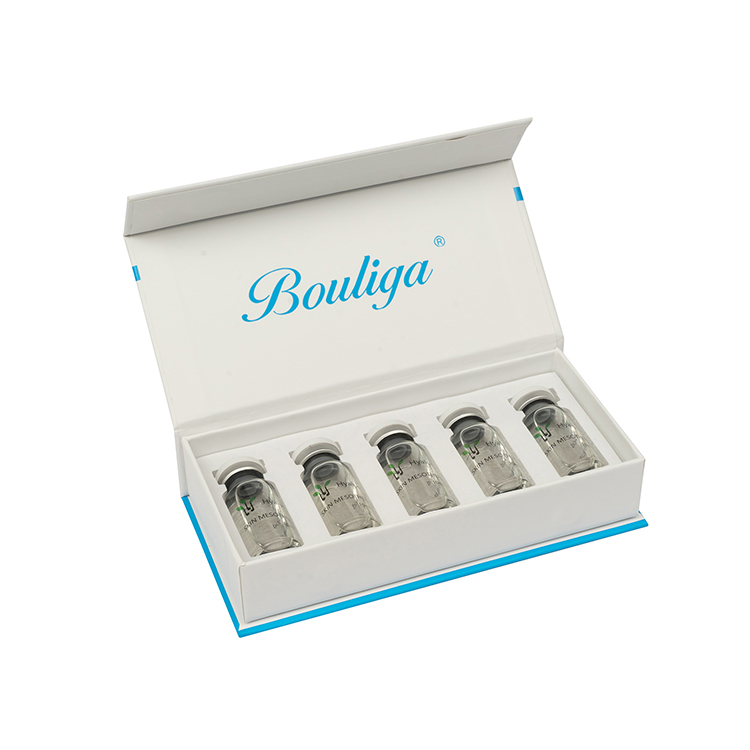
Understanding the biological timing behind appointment spacing is critical for maximizing the return on your clinical investment. Adhering strictly to the calendar is not just an administrative preference; it is a physiological requirement. The body processes injected compounds and repairs tissue at a specific rate, and your appointment schedule must align with this biological clock.
The specific interval between appointments is dictated by the half-life of non-crosslinked hyaluronic acid in the skin. Unlike the dense, cross-linked gels used in volumizing fillers which last for months, the fluid hyaluronic acid used in a hyaluronic acid mesotherapy treatment is metabolized rapidly. The body's natural hyaluronidase enzymes break it down within a few days to a couple of weeks. The goal is not to leave the fluid in the skin permanently, but to leave behind the stimulated fibroblasts and newly formed collagen.
For severe restorative cases involving deep wrinkles or significant laxity, clinical reasoning dictates tight 7 to 10-day intervals. This aggressive spacing ensures that the dermis is constantly flooded with active ingredients. It maintains high levels of fibroblast stimulation before the previous injection's effects can fully dissipate. In contrast, preventative care for younger skin relies on a standard 2 to 4-week window, which is sufficient to maintain hydration without overwhelming the tissue.
Waiting longer than 4 weeks during the active loading phase breaks the cumulative stimulation cycle. If the interval stretches too far, the biological momentum is lost. The fibroblasts return to their baseline resting state. When you finally return for the next session, it acts more like a standalone treatment rather than building upon the foundation laid by the previous injection.
The timing of injections is deeply connected to the natural 28-day epidermal turnover cycle. Every four weeks, the skin sheds dead cells from the stratum corneum and replaces them with new cells generated in the basal layer. By spacing treatments to align with this cellular renewal process, practitioners maximize the absorption and utilization of the biorevitalizing cocktail.
Consistent micro-injections during this cycle ensure that as new skin cells migrate to the surface, they are formed in an environment rich in hydration and essential nutrients. This synergy between the mechanical micro-trauma of the needle and the chemical support of the formulation results in a visibly healthier, more resilient epidermal barrier. If you disrupt this timing, you miss the window to influence the new generation of skin cells.
Committing to a multi-session protocol requires a realistic framework for weighing the ongoing demands of the treatment against other aesthetic interventions. Patients must evaluate the overall value by looking at the conceptual trade-offs between time spent in the clinic, recovery periods, and the longevity of the clinical outcome. You are investing in cellular health, which requires a different mindset than purchasing a quick cosmetic fix.
Setting realistic expectations is the most important step before beginning treatment. You must contrast the slow, progressive tissue improvement of these micro-injections against the instant gratification provided by traditional cross-linked dermal fillers. If you inject a volumizing filler into the cheeks or lips, the structural change is visible before you leave the clinic chair. The results are immediate, though highly localized to the specific injection site.
Mesotherapy operates on a completely different paradigm. The initial sessions may yield nothing more than mild swelling and a temporary hydration boost. The true clinical value lies in the cumulative results. Over the course of several months, the entire treated area experiences a global improvement in tissue quality, elasticity, and density. It is an investment in the long-term health and structural integrity of the skin. You are rebuilding the foundation, which takes time, rather than simply spackling over the cracks.
Evaluating the total commitment requires mapping out the entire clinical journey. A standard preventative plan usually involves a 6-session loading phase followed by 3 annual maintenance sessions. For a restorative plan addressing severe photoaging, you must account for an extended 15-session loading phase plus the ongoing quarterly maintenance. Each session typically requires 30 to 45 minutes of clinic time, plus time for topical numbing.
When planning for this protocol, it is essential to evaluate clinic packages versus pay-per-session models. Committing to a comprehensive package for the entire loading phase often improves clinical adherence. The appointments are pre-scheduled, and the commitment is locked in, preventing you from skipping weeks. Pay-per-session models offer flexibility but carry a higher risk of protocol abandonment. Patients often skip appointments if they do not see dramatic results after the first two visits. Understanding the total required sessions upfront allows for an accurate assessment of the long-term commitment required to achieve and sustain optimal skin health.
Executing a multi-session injectable protocol involves practical challenges that must be managed to ensure a successful outcome. Understanding the risks of non-adherence and preparing for the physical realities of repeated treatments will help you navigate the process smoothly. You must treat the appointment schedule as a strict medical protocol.
Consistency is the backbone of this treatment. The clinical impact of extending intervals beyond 6 weeks during the active loading phase is significant. When the gap between appointments grows too large, you experience a complete loss of cumulative momentum. The active ingredients are fully metabolized, and the fibroblasts cease their accelerated collagen production.
If you miss a session and delay treatment by several months, you cannot simply pick up where you left off. The biological foundation built by the initial injections will have degraded. This often requires the practitioner to restart the protocol from the beginning. Adhering to the specific 2 to 4-week timeline is non-negotiable if you want to achieve the promised dermal redensification. Using a mesotherapy face filler requires discipline and a strict respect for the biological timing of tissue repair.
Patients must be prepared for the reality of repeated clinical downtime. Aggressive protocols that require injections every 1 to 2 weeks mean that you will frequently experience transient side effects. Bruising, localized swelling, and pinpoint bleeding at the injection sites are standard physiological responses to multiple needle punctures. You cannot undergo a 6-session loading phase without experiencing at least some visible recovery time.
Implementing strong mitigation strategies is essential for managing this repeated trauma. We recommend the following steps to minimize downtime:
Arnica Integration: Begin oral Arnica supplements two days before each session and apply topical Arnica gel immediately after to reduce the severity of bruising.
Medication Management: Avoid NSAIDs, fish oil, and alcohol for at least 48 hours prior to your appointment to minimize blood thinning and pinpoint bleeding.
Strategic Scheduling: Book your intensive loading sessions during weeks where you do not have major social or professional events, expecting 24 to 48 hours of visible injection marks.
Technique Selection: Discuss delivery methods with your provider. Automated mesoguns often provide precise depth control and faster delivery, resulting in less mechanical trauma compared to manual serial puncture techniques.
Book a clinical consultation with a qualified aesthetic specialist to assess your baseline skin laxity and cellular health.
Request a written, multi-session timeline mapping out your specific loading phase based on your age and aesthetic goals.
Schedule your first three to six appointments in advance to ensure strict adherence to the required 14-to-28-day interval window.
Secure your maintenance dates on the calendar every three to six months to protect your initial clinical investment.
A: You will notice an initial superficial glow and improved hydration after the first one to two sessions. Structural changes, such as increased skin density and reduced fine lines, require neocollagenesis. This deeper remodeling becomes visible after three to four sessions. For severe indications like advanced photoaging, optimal results may take ten or more sessions to fully manifest.
A: Yes, weekly treatments are utilized during the initial loading phase for severe restorative cases. Spacing sessions seven to ten days apart safely saturates the dermis with active ingredients to rapidly stimulate fibroblasts. For younger patients or preventative care, a standard fourteen to twenty-eight-day spacing is highly effective and prevents unnecessary tissue trauma.
A: Once you successfully complete the initial loading phase, the structural improvements and enhanced hydration typically last between twelve and eighteen months. This duration heavily depends on adhering to a proper maintenance schedule. You will usually require a single touch-up session every three to six months to sustain the cellular environment.
A: No, a single session is never enough for initial correction or structural remodeling. The biological process requires cumulative stimulation to produce new collagen and elastin. Single sessions are only clinically effective when used as periodic maintenance treatments after you have already completed a full three to six-session loading phase.
A: If you discontinue treatment entirely, your skin simply resumes its natural aging process. The induced hydration gradually dissipates as the hyaluronic acid metabolizes. Accelerated collagen production returns to its baseline resting state. Your skin will not worsen beyond its natural trajectory, but the enhanced density and glow will slowly fade.
A: Yes, these treatments are highly complementary. Practitioners often use them together in a comprehensive full-face rejuvenation plan. Traditional cross-linked dermal fillers restore deep structural volume and lift sagging tissue. Mesotherapy applies superficially to improve the overall texture, hydration, and quality of the overlying skin.
