

Views: 0 Author: Site Editor Publish Time: 2026-08-17 Origin: Site


As natural ingredients continue to dominate the beauty and skincare industry, consumers are increasingly curious about the origins and authenticity of the ingredients they use. Among these sought-after ingredients is sodium hyaluronate, a powerful compound known for its ability to hydrate and plump the skin. But is sodium hyaluronate natural? This question is increasingly common as more and more consumers prioritize natural products. Understanding what “natural” means in the context of skincare ingredients, and how sodium hyaluronate is made, can help consumers make informed decisions about the products they choose. In this article, we’ll explore what sodium hyaluronate is, its sources, and whether it can be considered a natural ingredient.
The term "natural" is often used in marketing to appeal to consumers who want to ensure that their skincare products are free from synthetic chemicals, preservatives, and other potentially harmful substances. However, the definition of "natural" is not always clear-cut and can vary depending on individual perspectives, regulatory standards, and the specific ingredient in question.
What consumers generally expect by “natural”
Consumers often associate "natural" with ingredients that are derived from plant, mineral, or animal sources without undergoing significant processing. The expectation is that these ingredients are more wholesome and better for their skin and the environment. However, the term "natural" can be somewhat misleading, as some ingredients undergo significant chemical changes during production, even if their origin is natural.
Regulatory/industry perspectives
In many countries, the definition of “natural” is not legally regulated, and companies are allowed to use the term freely in marketing materials. However, some organizations, such as the Natural Products Association (NPA) and the European Union’s COSMOS standard, have established definitions for natural cosmetics. These standards typically require that the ingredients in a product must be derived from renewable natural sources, be minimally processed, and avoid the use of synthetic additives. Despite these guidelines, the absence of universal regulations means that the term "natural" can still be used ambiguously by some brands.
Sodium hyaluronate can be produced from several different sources, with the two most common methods being animal tissue extraction and microbial fermentation. Both methods involve different production processes, and their implications for the final product’s “natural” status can vary.
Animal tissue extraction
Historically, sodium hyaluronate was extracted from animal tissues, such as rooster combs, which contain high levels of hyaluronic acid. This method was widely used due to its effectiveness in producing high-quality sodium hyaluronate. However, as awareness grew about animal welfare concerns and ethical issues surrounding animal-derived products, the demand for alternative, plant-based production methods increased. Animal tissue extraction can be seen as less “natural” by some consumers due to the use of animal-derived raw materials and the extensive processing involved to isolate the hyaluronic acid.
Microbial fermentation methods
A more modern and sustainable approach to producing sodium hyaluronate is through microbial fermentation. In this process, bacteria or yeast are used to ferment sugars, producing hyaluronic acid that can then be converted into sodium hyaluronate. This method is considered more “natural” by many, especially in the context of skincare, as it avoids the use of animal products and can be described as vegan-friendly. Additionally, microbial fermentation allows for greater consistency and scalability, making it a popular choice in the production of sodium hyaluronate for cosmetic products.
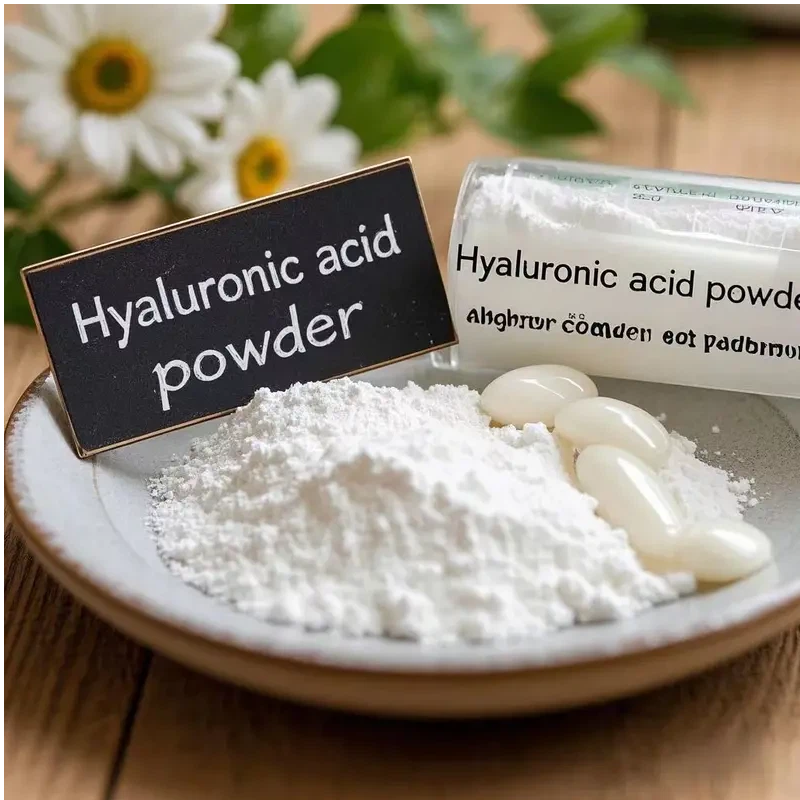
While microbial fermentation is seen as a more natural and ethical alternative to animal-derived methods, it still raises questions about whether it fits the true definition of “natural.” Let’s take a closer look at the pros and considerations of this method.
Pros: avoids animal sacrifice, offers consistency
One of the most significant advantages of microbial fermentation is that it completely avoids the use of animal products, making it an ethical choice for companies and consumers who prefer vegan and cruelty-free ingredients. Additionally, microbial fermentation provides more consistency and reliability in the production of sodium hyaluronate. The process can be controlled to produce a high-quality product with specific molecular weights and purity levels, ensuring that each batch meets the required standards for use in skincare products.
Considerations: biotechnology vs pure “raw natural”
While microbial fermentation is often considered more “natural” than animal-derived sources, it’s important to note that it still involves biotechnological processes. Some consumers may view biotechnology as a step away from the raw, unprocessed ingredients that they associate with natural products. Fermentation involves the manipulation of microorganisms, which, while natural in its own right, may not align with some consumers’ expectations of an ingredient that comes directly from nature without human intervention. This is a key consideration when evaluating the “naturalness” of a product.
At Shandong Bouliga Biotechnology Co., LTD., we take a transparent approach to sourcing our ingredients. We believe that consumers should have access to clear and honest information about the products they use. When we refer to sodium hyaluronate as “natural,” we define it based on its production method, source, and purity.
Our sourcing policy / transparency
We use microbial fermentation to produce our sodium hyaluronate, ensuring that the process is both environmentally sustainable and free from animal-derived materials. Our fermentation process results in a product that is not only high-quality but also meets vegan and cruelty-free standards. We pride ourselves on the transparency of our sourcing and production methods, allowing our customers to make informed decisions based on accurate information about the ingredients in our products.
What we mean when we say “professional-grade” / “advanced formulation”
When we describe our sodium hyaluronate as “professional-grade,” we mean that it has been produced using the latest biotechnological advancements to meet the highest industry standards. We use advanced techniques to ensure that our sodium hyaluronate has the ideal molecular weight and purity to deliver the most effective skincare results. Our products are formulated with precision to optimize performance while maintaining transparency about the production process.
As a consumer or brand, it’s essential to know how to assess whether a product’s claims of being “natural” are supported by facts. When considering sodium hyaluronate for your skincare formulations, you should:
Matching product claims (“natural”, “vegan”, “biotech”) with facts
It’s important to carefully read product labels and ensure that claims such as “natural,” “vegan,” and “biotech” are backed by actual practices. While microbial fermentation may be considered more natural than animal-derived methods, not all companies use this process, so it’s important to verify the source and method of production.
How to communicate to your end-customers to build trust
For brands, it’s essential to communicate clearly with consumers about how their products are made, especially when it comes to claims about natural ingredients. By being transparent about the production process and the sourcing of sodium hyaluronate, brands can build trust with their customers, ensuring that they are making ethical, informed choices.
The question of whether sodium hyaluronate is “natural” does not have a straightforward answer. While the term "natural" can be subjective, microbial fermentation offers a sustainable, ethical, and effective method for producing sodium hyaluronate that aligns with many consumers' expectations of natural ingredients. At Shandong Bouliga Biotechnology Co., LTD., we believe in transparency and integrity, which is why we source our high-quality sodium hyaluronate through microbial fermentation, ensuring both high performance and ethical production practices. If you’re looking for a natural, professional-grade solution for your skincare formulations, we invite you to contact us for more information.
1. What is the source of sodium hyaluronate?
Sodium hyaluronate can be derived from animal tissues, such as rooster combs, or through microbial fermentation, which is a more sustainable, vegan-friendly method.
2. Is sodium hyaluronate vegan?
Sodium hyaluronate produced through microbial fermentation is vegan, as it does not involve animal-derived materials.
3. How does microbial fermentation differ from animal-derived sodium hyaluronate?
Microbial fermentation is a biotechnological process that uses bacteria or yeast to produce sodium hyaluronate, avoiding the use of animal products and offering a more consistent and ethical production method.
4. Why is the purity of sodium hyaluronate important?
The purity of sodium hyaluronate ensures that the final product is free from contaminants and other impurities that could affect its effectiveness and safety for use in skincare formulations.
