

Views: 0 Author: Site Editor Publish Time: 2026-10-03 Origin: Site


The rapid expansion of the aesthetic injectables market exposes clinics to unauthorized gray-market distributors and compromised product efficacy. Securing a reliable, compliant supply of mesotherapy fillers is a strict operational requirement. You must achieve this without inflating your Cost of Goods Sold (COGS), risking patient safety through poor cold-chain logistics, or tying up capital in excessive inventory. This guide provides a systematic, evidence-based due diligence framework. We outline how to evaluate, shortlist, and onboard a verified wholesale supplier. Following these steps ensures operational continuity and regulatory compliance for your aesthetic practice.
Verify Authorization: Demand primary source verification, active medical distributor licenses, and transparent track-and-trace documentation before establishing an account.
Audit Cold-Chain Integrity: Require documented proof of temperature-controlled logistics, specifically for temperature-sensitive hyaluronic acid mesotherapy filler products.
Analyze Total Landed Cost: Evaluate pricing structures by factoring in Minimum Order Quantities (MOQs), shipping insurance, and expiration date guarantees, rather than unit price alone.
Assess Workflow Integration: Consolidate procurement by selecting a vendor that supplies both the injectables and the specific delivery devices (e.g., 30G-34G needles) required for clinical protocols.
Test Before Scaling: Mitigate onboarding risks by executing a low-volume trial order to assess delivery speed, packaging integrity, and customer service responsiveness.
Supply chain disruptions carry severe consequences for aesthetic clinics. Stockouts directly impact your daily revenue generation. When critical injectables are unavailable, clinics must reschedule patient appointments. This damages patient trust and reduces retention rates. Delayed shipments force practitioners to alter treatment plans at the last minute. Backorders create administrative burdens for your staff. They spend hours tracking packages instead of focusing on patient care. Consistent inventory availability is a fundamental requirement for clinical operations. Unreliable suppliers introduce unacceptable levels of operational friction.
Consider the compounding effect of a single missed delivery. A clinic with ten patients booked for specific injectable treatments stands to lose thousands in daily revenue if the product fails to arrive. Furthermore, you still incur the fixed costs of facility operation and staff wages during that idle time. Patients who experience cancellations often seek out competing practices. The financial damage extends far beyond the unit cost of the delayed product.
Selecting the right distribution partner requires evaluating several core competencies. An ideal supplier maintains consistent inventory depth across their entire catalog. They must demonstrate verifiable regulatory compliance through active licensing. Transparent communication regarding shipping delays or product shortages is non-negotiable. You need a partner with robust digital procurement capabilities. Their online portal should offer real-time stock visibility. Scalable ordering models allow your clinic to grow without facing sudden logistical bottlenecks. The supplier must act as an extension of your own inventory management system.
Maintains a minimum of 95% fill rate on all standard catalog items.
Provides proactive notifications for impending manufacturer shortages.
Offers dedicated account representatives rather than generic support queues.
Operates multiple regional distribution centers to minimize transit times.
Purchasing injectables outside authorized channels introduces catastrophic risks. Gray market products often bypass required temperature controls during international transit. This degrades the active ingredients before they reach your clinic. Utilizing unauthorized products immediately voids your medical malpractice liability insurance. Regulatory bodies actively monitor supply chains and penalize non-compliant clinics. License revocation is a real threat for Medical Directors who fail to verify their sources. Authorized distributors maintain a documented chain of custody from the manufacturer to your facility.
Evaluation Criteria | Authorized Distribution | Gray Market Sources |
|---|---|---|
Chain of Custody | Fully documented and verifiable from the manufacturer. | Unknown, often involving multiple unverified third parties. |
Product Efficacy | Guaranteed by strict manufacturer storage standards. | Highly questionable due to improper warehouse storage. |
Liability Insurance | Fully covered under standard clinic malpractice policies. | Voided immediately upon the injection of unauthorized goods. |
Recall Management | Direct notification and immediate replacement protocols. | No communication; clinics remain unaware of safety recalls. |
Regulatory Standing | Compliant with national and regional health authorities. | Subject to immediate seizure and facility fines. |
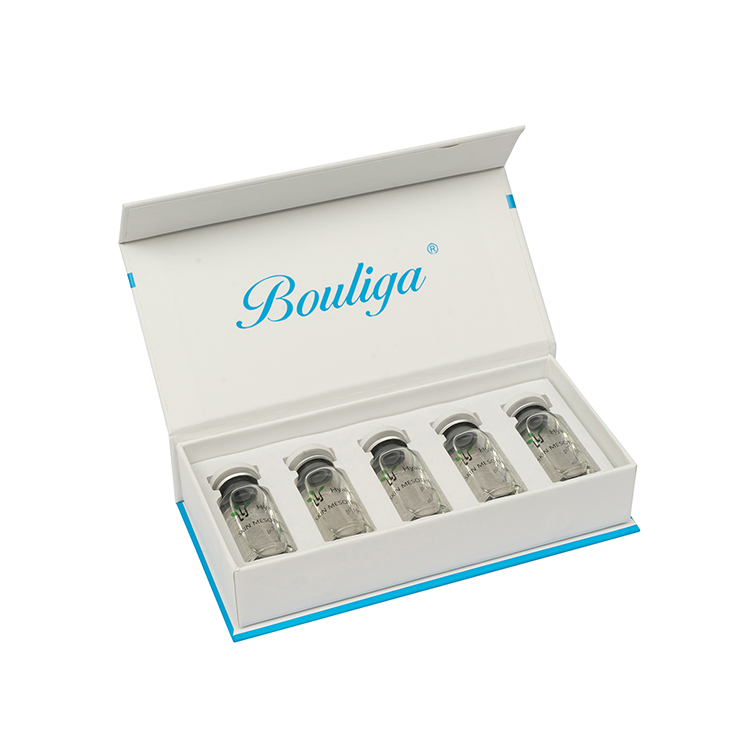
Strict vetting of supplier credentials protects your clinic from legal exposure. You must request specific documentation before opening a purchasing account with any mesotherapy dermal filler supplier. Demand copies of their state pharmacy or medical distributor licenses. Request proof of FDA or EMA facility registration depending on your jurisdiction. Ask for ISO certifications related to medical device distribution. These documents prove the supplier operates legally within your region. Do not accept verbal assurances of compliance.
Cross-referencing these credentials is the next critical step. Visit your national or regional regulatory databases to verify the license numbers provided. Check for any historical disciplinary actions or suspended licenses. Confirm that the supplier is officially listed as an authorized distributor by the product manufacturers. Manufacturer authorization letters provide definitive proof of a legitimate supply chain relationship. This administrative diligence forms the foundation of a secure procurement strategy.
Authenticating injectables requires stringent administrative protocols. Lot number tracking is essential for recall management and quality control. Serial verification ensures each box is unique and untampered. Your supplier must comply with local supply chain security acts. In the United States, this means strict adherence to the Drug Supply Chain Security Act (DSCSA). They must provide electronic tracing data for every shipment. This data proves the product's origin and transit history.
Visual inspections remain a vital part of counterfeit prevention. Train your inventory staff to identify authentic packaging features. Look for intact holograms and tamper-evident seals on every box. Verify that the batch numbers on the physical product match the invoice exactly. Counterfeiters frequently reuse authentic boxes with fake vials inside. Inspect the crimping on the vials and the clarity of the printed labels. Reject any shipment that exhibits inconsistencies in packaging quality.
Temperature control is critical for maintaining injectable efficacy. Many formulations degrade rapidly when exposed to extreme heat or freezing temperatures. This degradation alters the viscosity and clinical performance of the product. Compromised injectables yield poor patient outcomes and increase the risk of adverse reactions. You must prioritize suppliers who specialize in medical-grade cold-chain logistics. Standard commercial shipping methods are inadequate for these sensitive materials.
Implement a strict checklist for evaluating shipping integrity. Require the use of digital temperature monitors inside the shipping parcels. Mandate expedited shipping for all temperature-sensitive orders. The supplier must use validated insulated packaging with appropriate refrigerants. Ask about their specific protocols for weekend transit. Packages should never sit in uncontrolled warehouses over the weekend. A reliable supplier will restrict shipping days to prevent weekend delays.
Modern clinics require efficient digital procurement tools. Assess the supplier's online ordering platform during your initial evaluation. The portal must provide real-time inventory visibility to prevent backorder surprises. Look for automated reordering capabilities based on your clinic's par levels. Secure payment gateways are necessary to protect your financial data. A cumbersome ordering process wastes valuable staff time and leads to procurement errors.
Document management is another crucial feature of a high-quality portal. Ensure the platform allows for easy, on-demand downloading of critical files. You need immediate access to past invoices for accounting purposes. Certificates of Analysis (CoAs) should be linked directly to your order history. Digital track-and-trace records must be archived and easily searchable. This digital infrastructure dramatically streamlines your clinic's compliance audits.
A comprehensive product catalog simplifies your procurement workflow. Evaluate the supplier's range of available formulations when sourcing wholesale mesotherapy fillers. Your clinic likely requires pure hyaluronic acid for deep hydration treatments. You may also need compounded peptide blends for targeted skin rejuvenation. Vitamin complexes and polynucleotides are increasingly popular in advanced protocols. Ensure the supplier stocks the specific formulations that match your clinical offerings. A diverse catalog allows you to source everything from a single vendor.
Verifying the manufacturing standards of these products is vital. Complex peptide blends require different stabilization techniques than standard pre-mixed fillers. Ask the supplier about the sourcing origin of their active ingredients. Confirm that they only distribute products manufactured in GMP-certified facilities. The stability of these complex blends directly impacts their shelf life. High-quality manufacturing ensures the product remains efficacious until the expiration date.
Procuring injectables is only half of the clinical equation. Assess the availability of complementary delivery supplies from the same vendor. You need specific tools for these treatments. This includes 30G-34G needles, safety needles, and flexible micro-cannulas. Some clinics utilize multi-needle mesotherapy guns for consistent depth delivery. Sourcing these specialized consumables from your primary distributor streamlines operations.
Consolidating your purchasing reduces overall logistical friction. Ordering injectables and needles from separate vendors increases your shipping expenses. It also complicates inventory tracking and receiving protocols. Purchasing from a single source ensures device compatibility. The supplier can verify that their specific cannulas fit the syringes they distribute. This prevents frustrating equipment mismatches during patient treatments.
Supplier reliability is tested during global shortages. Analyze how the distributor handles high-demand periods. Do they maintain deep safety stock reserves? A supplier running on just-in-time inventory will fail you during a supply chain crunch. Ask about their historical fill rates for critical items. You need a partner who can consistently fulfill your orders in full, without partial shipments.
Understand their inventory allocation policies before signing an agreement. Define the importance of guaranteed allocation for your clinic. High-volume clinic partners often negotiate priority access to limited stock. Determine if the supplier operates on a strict first-come-first-served model. A first-come model leaves you vulnerable to sudden stockouts. Negotiating allocation guarantees protects your practice during industry-wide product shortages.
Financial structures significantly impact your clinic's cash flow. Compare the implications of volume-based discounts against flat-rate pricing. Tiered structures reward high-volume purchasing but require substantial upfront capital. This model suits established clinics with predictable, high patient turnover. It allows them to lower their unit COGS effectively. However, it ties up cash in inventory sitting in the stockroom.
Flat wholesale rates offer greater flexibility for smaller practices. Newly established clinics benefit from ordering exactly what they need. This preserves working capital for marketing and staff development. It prevents the financial strain of holding excess inventory. Evaluate your monthly cash flow before committing to a tiered structure. Choose the model that aligns with your current growth stage.
Minimum Order Quantities (MOQs) must align with your clinical volume. Provide your inventory manager with a framework for calculating optimal order sizes. Analyze your monthly patient volume for specific treatment workflows. Do not order a six-month supply if the product expires in four months. Over-ordering to meet an MOQ leads to costly product expiration. This directly destroys your profit margins.
Discuss the standard acceptable shelf-life upon delivery with the supplier. A minimum of 12-18 months remaining is standard for a hyaluronic acid mesotherapy filler. Negotiate this requirement into your Service Level Agreement (SLA). Reject shipments that arrive with short expiration dates unless previously agreed upon. Managing shelf life is a critical component of controlling your COGS.
Scrutinize the supplier's terms for easily overlooked expenses. Overnight shipping surcharges can rapidly inflate your landed costs. Hazmat fees may apply to certain chemical formulations. Mandatory shipping insurance adds another layer of expense. Calculate these hidden costs when comparing different distributors. The supplier with the lowest unit cost might be the most expensive overall.
Detail the necessary components of a favorable return policy. You need protection against goods damaged in transit. The policy must cover products compromised by temperature deviations during shipping. Ensure the supplier offers a streamlined process for returning short-dated products. A rigid return policy leaves your clinic absorbing the cost of logistical failures. Demand clear, written return protocols before placing your first order.
Expedite the vetting process by compiling your prerequisites in advance. Suppliers require specific documentation to establish a compliant medical account. Gather the Medical Director's active state medical license. Ensure this license is in good standing without restrictions. Compile your state facility licenses and any required pharmacy dispensing permits. Having these ready prevents delays in account activation.
Financial documentation is equally important for the onboarding process. Prepare your tax exemption certificates if applicable in your jurisdiction. Have your clinic's banking information ready if you are applying for credit terms. Provide a list of authorized purchasers within your clinic. This prevents unauthorized staff from placing expensive orders. Organized preparation demonstrates your clinic's professionalism to the new supplier.
Mitigate onboarding risks by executing a low-volume trial order. Do not shift your entire inventory procurement immediately. Use this trial to assess the supplier's operational competence. Measure the transit time accuracy against their promised delivery date. Evaluate the packaging condition upon arrival. Check for proper insulation and active temperature monitors.
Audit the administrative accuracy of the trial shipment. Verify that the invoice matches the physical goods exactly. Cross-reference the lot numbers on the vials with the provided documentation. Test their customer service responsiveness by asking a procedural question. A successful trial order validates your due diligence. It provides the confidence needed to scale your purchasing volume.
Formalize your expectations through a written Service Level Agreement. Define the critical metrics that govern the supplier relationship. Establish maximum acceptable backorder durations for essential items. Detail the guaranteed response times for account issues or shipping errors. Document the agreed-upon shelf-life minimums for all incoming products.
Include specific protocols for temperature excursions during transit. The SLA should dictate who bears the financial responsibility for compromised shipments. Outline the exact procedure for reporting and replacing damaged goods. A robust SLA removes ambiguity from the partnership. It holds the supplier accountable to measurable performance standards.
Transitioning suppliers requires a phased, strategic approach. Outline a plan to prevent dangerous inventory gaps during the switch. Begin by placing overlapping supply orders with both vendors. This ensures you have backup stock if the new supplier experiences a delay. Verify that the new catalog perfectly fits your existing clinical protocols.
Gradually shift your purchasing volume to the new vendor. Start with high-volume, low-risk consumables before moving complex injectables. Monitor the new supplier's performance closely during this transition phase. Maintain your relationship with the previous distributor until the new partnership is fully stabilized. A careful transition protects your clinic's operational continuity.
Selecting a wholesale supplier is a strategic risk-management decision. It requires balancing unit economics with strict regulatory compliance. You must prioritize logistical integrity and workflow integration above aggressive discounts. A reliable partner ensures patient safety and protects your clinic's reputation. Immediate disqualification is necessary for vendors lacking transparent licensing or cold-chain guarantees.
Compile your clinic's monthly volume data and required needle gauges to establish baseline procurement needs.
Draft a standardized Request for Information (RFI) based on the compliance and logistical criteria outlined in this checklist.
Initiate contact with three shortlisted distributors to compare their digital portals and allocation policies.
Execute a low-volume trial order with the top candidate to verify shipping integrity and administrative accuracy.
A: You must request their active wholesale distributor licenses and state pharmacy permits. Demand manufacturer authorization letters to prove they are an official distribution channel. Additionally, ask for product Certificates of Analysis (CoAs) and ISO certifications related to medical device handling.
A: Verify authenticity by cross-referencing lot numbers directly with the manufacturer. Inspect physical packaging for intact holograms, tamper-evident seals, and high-quality printing. Ensure the batch numbers on the vials exactly match the electronic track-and-trace documentation provided on the invoice.
A: Many injectable formulations degrade when exposed to temperature fluctuations. Extreme heat or freezing alters the product's viscosity and efficacy. Proper cold-chain logistics ensure the product remains safe and effective for patient use.
A: For most medical injectables, clinics should expect a minimum of 12 to 18 months of remaining shelf-life upon delivery. You should negotiate this minimum requirement into your Service Level Agreement to prevent receiving short-dated products that might expire before use.
A: High MOQs force clinics to purchase larger volumes, which ties up working capital in inventory. If the order size exceeds the clinic's monthly patient volume, it increases the risk of product expiration. Balancing MOQs with actual usage is vital for maintaining healthy profit margins.
A: An SLA should define maximum acceptable backorder durations and guaranteed customer service response times. It must outline shelf-life minimums, protocols for handling temperature excursions during shipping, and clear procedures for returning damaged or short-dated goods.
