

Views: 0 Author: Site Editor Publish Time: 2025-10-27 Origin: Site


Ever wondered why bovine collagen is gaining popularity? Collagen is vital for skin, joints, and bones. In this article, you'll learn what bovine collagen is, its importance in the body, and the benefits it offers. Discover how this natural supplement supports health and well-being.
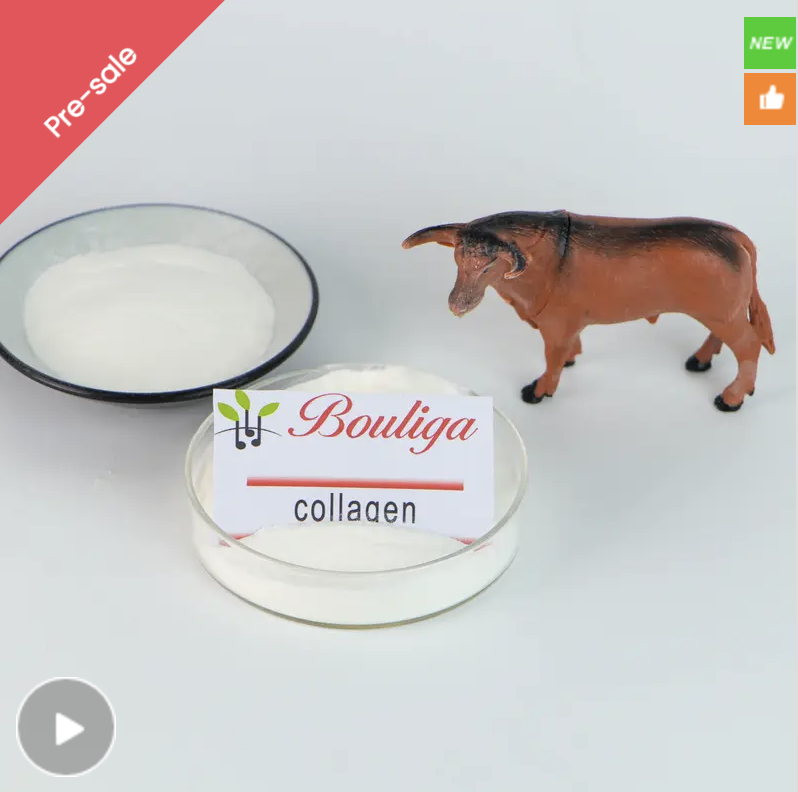
Bovine collagen is a type of collagen derived from cow tissues, primarily skin, bones, and cartilage. It is a vital structural protein, forming the backbone of skin, joints, bones, and connective tissues. As we age, natural collagen production decreases, leading to wrinkles, joint stiffness, and weakened bones. Supplementing with bovine collagen can help replenish these proteins, enhancing elasticity, joint mobility, and overall musculoskeletal health. Unlike gelatin or regular protein powders, bovine collagen is rich in amino acids like glycine, proline, and hydroxyproline, which directly contribute to collagen synthesis in the body.
Highlighting the natural and bioactive properties of bovine collagen can attract health-conscious consumers seeking both beauty and joint support.
Bovine collagen comes from cow hides, bones, and cartilage. It is primarily Type I and III collagen, which supports skin, tendons, ligaments, and bones. Hydrolyzed bovine collagen, available as powders or capsules, is broken down into peptides for better absorption. The hydrolysis process ensures the peptides can quickly reach target tissues, stimulating collagen production more efficiently than intact collagen.
Unlike marine collagen, which is rich in Type I, bovine collagen offers a balance of Type I and III, making it suitable for overall structural support. It differs from porcine collagen, which is similar to bovine but less abundant. Hydrolyzed bovine collagen has low molecular weight, ensuring high bioavailability and rapid delivery to skin, bones, and joints.
Emphasize the peptide size and collagen type in product descriptions to educate customers on why bovine collagen is superior for tissue repair.
Bovine collagen supports dermal structure by providing amino acids essential for fibroblast activity. Regular supplementation improves skin elasticity, hydration, and reduces fine lines. Clinical studies indicate that consuming 5–10 grams daily over 8–12 weeks enhances firmness and moisture retention, giving skin a youthful appearance.
Bovine collagen contributes to cartilage integrity, reducing joint stiffness and pain. Daily intake can improve mobility and support recovery from physical stress, making it ideal for older adults and athletes. It also stimulates chondrocytes to produce new collagen fibers, helping slow age-related degeneration.
Bones rely on collagen for density and flexibility. Bovine collagen peptides stimulate osteoblast activity and improve bone mineral density. They also provide amino acids for muscle repair, complementing resistance training and reducing sarcopenia risks.
Highlight multi-system benefits in marketing to appeal to both beauty and fitness-oriented consumers.
Feature | Description | Benefits |
Type | Type I & III | Supports skin, bones, joints |
Form | Hydrolyzed peptides | High absorption, fast tissue delivery |
Source | Bovine skin & bones | Rich in glycine, proline, hydroxyproline |
Delivery | Powder, capsules | Flexible intake for daily supplementation |
Purity | Third-party tested | Ensures safety, consistent potency |
Tip: Showcasing a clear feature-benefit table can simplify the decision-making process for B2B buyers.
Hydrolyzed bovine collagen ensures rapid absorption, bypassing extensive digestion required for gelatin or whole protein. This allows immediate availability of amino acids to stimulate collagen synthesis.
Premium bovine collagen undergoes rigorous testing to remove allergens, heavy metals, and contaminants. Third-party verification enhances credibility and consumer trust.
Bovine collagen is incorporated into powders, drinks, and functional foods. It helps reduce wrinkles, improve hydration, and restore dermal integrity. Cosmetic brands use it in anti-aging and beauty supplements.
Athletes use bovine collagen to support tendon and ligament repair. It reduces recovery time, enhances flexibility, and maintains muscle resilience.
In medical contexts, bovine collagen helps manage age-related joint degeneration, osteoporosis, and musculoskeletal deficiencies. Its high bioavailability makes it ideal for patients needing efficient nutrient absorption.
Promote versatility to appeal to beauty, fitness, and medical sectors simultaneously.
Your lifestyle plays a big role in how much collagen your body produces and maintains. Several habits can harm collagen levels:
Smoking: It reduces collagen production and damages existing collagen, causing wrinkles and slower healing.
Excess Sun Exposure: UV rays break down collagen in your skin, speeding up aging and increasing skin damage risk.
High Sugar Intake: Eating lots of sugar causes molecules that stiffen and weaken collagen fibers, making skin dry and brittle.
Poor Sleep: Lack of rest disrupts skin repair and collagen synthesis.
Stress: Chronic stress raises inflammation, which can degrade collagen.
Avoiding these habits helps protect your body's collagen and keeps skin, joints, and bones healthier longer.
Eating the right foods provides your body the building blocks and nutrients needed to make collagen naturally:
Protein-Rich Foods: Collagen forms from amino acids, especially glycine, proline, and hydroxyproline. Good sources include chicken, beef, fish, egg whites, and dairy.
Vitamin C: Essential for collagen synthesis. Found in citrus fruits, strawberries, bell peppers, broccoli, and Brussels sprouts.
Zinc and Copper: Minerals that support collagen formation. Sources include nuts, seeds, shellfish, and leafy greens.
Antioxidants: Protect collagen from damage. Eat colorful fruits and vegetables rich in antioxidants like berries, spinach, and kale.
Bone Broth: Contains collagen and minerals that may support your body's collagen levels.
Combining collagen-rich foods with vitamin C-rich foods enhances collagen production. For example, adding lemon juice to bone broth or eating fruits alongside protein sources.
Taking care of your skin externally can also help maintain collagen levels:
Use Sunscreen Daily: Protects skin from UV damage that breaks down collagen.
Moisturize Regularly: Keeps skin hydrated, supporting collagen structure.
Avoid Harsh Chemicals: Some skincare ingredients can irritate skin and degrade collagen.
Consider Retinoids: Topical retinoids stimulate collagen production and improve skin texture.
Gentle Exfoliation: Helps remove dead skin cells and promotes new cell growth, indirectly supporting collagen.
Good skincare combined with healthy lifestyle and diet habits creates a strong foundation for preserving collagen and youthful skin.
Encourage clients to combine vitamin C-rich foods with collagen sources daily to maximize natural collagen production and support skin and joint health.
Bovine collagen, derived from cows, supports skin, joint, and bone health with its Type I and III collagen content. It offers anti-aging benefits, pain relief, and bone density improvement. Incorporating bovine collagen through diet or supplements can enhance natural collagen production. For optimal results, consult healthcare professionals before starting supplements. Bouliga® offers high-quality bovine collagen products, ensuring value through purity and effectiveness, supporting overall wellness.
A: Bovine collagen is a type of collagen derived from cows, primarily extracted from their hides, bones, and cartilage.
A: Bovine collagen is used in supplements, food, cosmetics, and medical products to support skin, joint, and bone health.
A: Bovine collagen is cost-effective and contains Type I and III collagen, similar to human collagen, supporting skin and joint health.
A: Bovine collagen benefits include improved skin elasticity, joint pain relief, and enhanced bone density.
A: The cost of bovine collagen varies by brand, form, and quality, typically ranging from $20 to $50 per container.
