


Did you know that bone collagen makes up 90% of the organic framework in our bones? This vital protein provides strength and flexibility, supporting overall bone health. In this article, you'll learn about bone collagen's composition, its role in maintaining healthy bones, and factors affecting its levels. We'll also explore ways to support bone collagen production and its significance in medical treatments.
Collagen is the most abundant protein in the human body, crucial for maintaining the strength and structure of skin, muscles, and bones. Bone collagen, in particular, is an essential component of bone health, providing both flexibility and structure. As we age, collagen production naturally declines, leading to weaker bones and a higher risk of fractures. Understanding what bone collagen is, how it works, and how it affects bone health is vital for anyone looking to improve their bone strength and overall wellness.
In this article, we’ll dive deep into the composition and importance of bone collagen, its functions in the body, and how supplementation can support bone density and joint health.
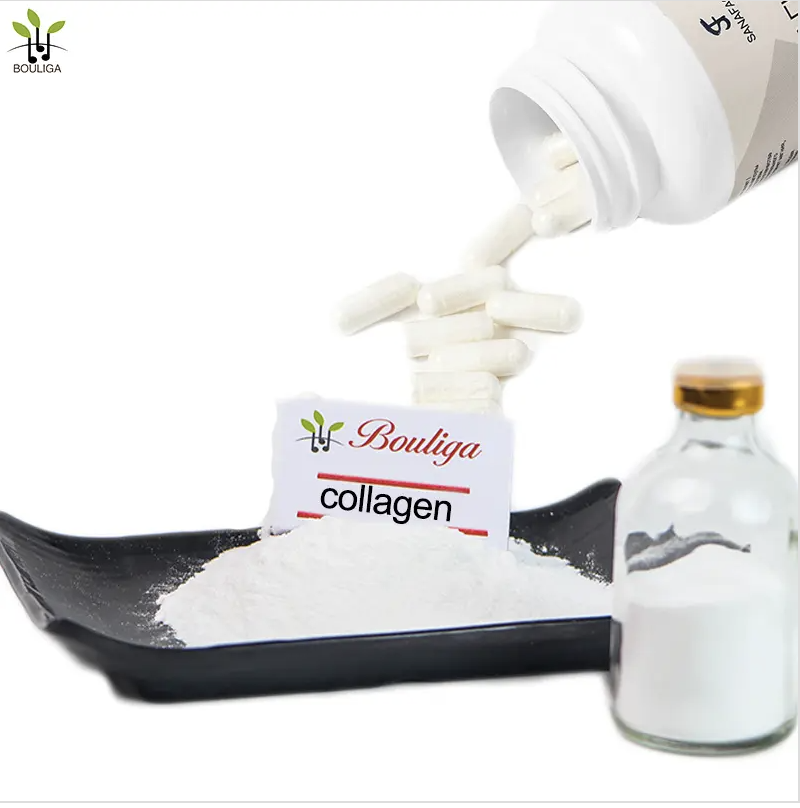
Bone collagen is a type of collagen primarily found in the bones, specifically Type I collagen. It serves as the framework for bone tissue, providing structural integrity and flexibility. While minerals like calcium are responsible for bone hardness, collagen is what ensures bones can withstand everyday stress without breaking.
Bone collagen is woven into a dense network within the bone matrix, the material that holds all bone cells in place. This matrix allows bones to remain strong yet flexible, a crucial balance that helps prevent fractures from stress or pressure.
Bone collagen is composed of three primary amino acids: glycine, proline, and hydroxyproline. These amino acids form a triple helix structure that is key to its strength. This molecular arrangement gives bone collagen the ability to resist stretching, making it a vital component of the bone matrix. It also allows bone tissue to return to its original shape after stress.
Each collagen fiber in bone tissue is cross-linked, meaning the fibers are connected in a way that enhances strength. This cross-linking process contributes to the toughness of bones, making bone collagen vital for maintaining skeletal health.
Bone collagen interacts with minerals like calcium phosphate, or hydroxyapatite, to form a solid structure. While collagen provides flexibility, minerals give bones rigidity. This unique partnership ensures bones are strong enough to support the body while still allowing for some movement and resilience.
A decrease in collagen production, as seen with aging or nutritional deficiencies, can disrupt this balance. Without enough collagen, bones become more brittle and are more likely to fracture, even under normal conditions.
As we age, collagen production naturally decreases, resulting in thinner bone collagen fibers. This leads to a decrease in the flexibility and strength of bones. Osteoporosis, a condition characterized by weakened bones, is largely driven by reduced collagen content and the accompanying loss of bone density. In fact, studies show that individuals with low collagen levels in their bones are more prone to fractures.
The primary reason to consider bone collagen is its direct effect on bone density. Bone collagen is the building block that helps form the bone matrix, and as such, it plays a crucial role in maintaining bone density. Collagen supplements, particularly collagen peptides, have been shown to stimulate the production of bone-forming cells known as osteoblasts. This can lead to increased bone mass and improved bone strength over time.
In addition to supporting bone structure, bone collagen plays a significant role in joint health. Collagen is a major component of cartilage, which cushions the joints and prevents wear and tear. By supporting the health of both bones and cartilage, bone collagen can help alleviate joint pain and improve mobility, particularly for older adults or athletes.
Bone collagen supplements may help prevent conditions like osteoporosis and osteoarthritis. By improving bone density and promoting cartilage regeneration, collagen peptides can reduce the risk of bone fractures and joint degeneration. Additionally, collagen supplementation has been linked to a reduction in the severity of pain associated with joint conditions.
As collagen production declines with age, the skin, joints, and bones start to show signs of wear. Bone collagen supplementation helps replenish lost collagen, supporting overall health and slowing down the aging process. When taken regularly, collagen peptides have been shown to improve skin elasticity, reduce wrinkles, and increase moisture retention, providing both internal and external benefits.

The most abundant type of collagen in the body, Type I collagen, makes up approximately 90% of the collagen in bones. It is the primary collagen type found in bone tissue and is responsible for the bone's structure, strength, and flexibility. Bone collagen is primarily Type I, which is why it is so important for bone health.
Benefit: Regular intake of bone collagen supports the natural production of Type I collagen, maintaining strong, flexible bones.
Collagen peptides, which are broken down into smaller pieces during the hydrolysis process, are easier for the body to absorb. This makes collagen peptides one of the most effective forms of supplementation for improving bone and joint health.
Benefit: Hydrolyzed collagen peptides are rapidly absorbed and can deliver quick, targeted support to bones and joints.
Quality bone collagen products undergo rigorous testing to ensure they are free from heavy metals, allergens, and other contaminants. Look for third-party testing to ensure the highest level of purity and bioavailability.
Benefit: High-quality, bioavailable bone collagen supplements guarantee that your body can efficiently absorb the collagen and utilize it for maximum benefit.
Bone collagen is a key ingredient in many bone health supplements, often combined with other minerals like calcium and magnesium for enhanced effectiveness. Regular use of collagen supplements has been shown to increase bone density and reduce the risk of fractures, particularly in postmenopausal women and the elderly.
Because bone collagen also supports cartilage and joint health, it is commonly used in joint pain relief supplements. It has been shown to reduce pain and stiffness, especially in conditions like osteoarthritis. For athletes and people with active lifestyles, bone collagen can also aid in faster recovery and improve joint flexibility.
Bone collagen is increasingly found in skincare products aimed at reducing the signs of aging. Collagen helps improve skin elasticity, firmness, and moisture retention, making it a common ingredient in creams, serums, and other beauty products.
Bone collagen plays a critical role in orthopedic surgeries. Surgeons often use collagen-based materials as scaffolds to support bone healing and regeneration. These collagen scaffolds provide a natural framework that encourages new bone cells to grow and helps integrate implants with existing bone tissue. Because collagen is biocompatible and biodegradable, it reduces the risk of rejection and inflammation. For example, collagen membranes are commonly used in procedures like guided bone regeneration to help repair bone defects or fractures.
Additionally, collagen-based bone graft substitutes are gaining popularity. These grafts mimic the natural bone matrix, promoting faster healing and better structural support compared to synthetic materials. They can be combined with minerals such as calcium phosphate to enhance bone strength. This approach is especially valuable in cases where patients have limited bone availability or poor healing capacity.
Collagen injections are an emerging treatment aimed at improving bone health. These injections deliver collagen peptides or related compounds directly to the affected area to stimulate bone repair and regeneration. The idea is to boost the local collagen matrix, which supports mineral deposition and strengthens bone structure.
Although still under research, some clinical studies suggest collagen injections may help reduce pain and improve function in conditions like osteoporosis and osteoarthritis. They may also aid in healing fractures by accelerating the formation of new bone tissue. However, collagen injections are typically used alongside other treatments such as physical therapy or medications to optimize outcomes.
Research into collagen-based therapies for bone health is rapidly expanding. Scientists are exploring innovative ways to use collagen in regenerative medicine, including:
3D-printed collagen scaffolds: These customized implants can fit complex bone defects and support cell growth precisely where needed.
Collagen combined with growth factors: Adding molecules like bone morphogenetic proteins (BMPs) to collagen scaffolds enhances bone regeneration.
Stem cell therapies: Collagen matrices serve as carriers for stem cells, helping them survive and differentiate into bone cells.
Nanotechnology: Collagen nanoparticles can deliver drugs or genes directly to bone tissue, improving treatment specificity and effectiveness.
While many of these therapies show promise in laboratory and animal studies, more clinical trials are needed to confirm their safety and effectiveness in humans.
Tip: For medical professionals, integrating collagen-based materials in orthopedic procedures can improve patient outcomes by enhancing bone healing and reducing complications linked to synthetic implants.
Bone collagen is crucial for bone structure, strength, and repair. It forms a framework supporting mineral deposits, enhancing bone density and flexibility. As research advances, innovative collagen-based therapies promise improved bone health. Maintaining healthy bone collagen is essential, and lifestyle choices like a balanced diet and exercise are vital. Bouliga® offers products that support bone collagen health, providing unique benefits for stronger, healthier bones. Emphasizing quality and effectiveness, Bouliga® delivers exceptional value in promoting optimal bone health.
A: Bone collagen is a specialized protein that forms the main organic framework of bones, primarily consisting of type I collagen. It provides structural support, strength, and flexibility to bones.
A: Bone collagen supports bone health by providing structural integrity, aiding in mineralization, and facilitating repair and regeneration, preventing conditions like osteoporosis.
A: Collagen is crucial for bones because it forms a scaffold for mineral deposits, ensuring bones remain strong and flexible, reducing fracture risk.
A: Collagen supplements may support bone health by providing essential amino acids, potentially improving bone mineral density and joint function, though results vary.
A: Boost bone collagen naturally by consuming collagen-rich foods, maintaining a balanced diet with vitamin C, and adopting healthy lifestyle habits like regular exercise.
