

Views: 0 Author: Site Editor Publish Time: 2026-09-26 Origin: Site


Highly viscous biologics and medical devices require robust containment strategies. Products like osteoarthritis injections rely on primary and secondary packaging going far beyond basic glass vials. Hyaluronic acid (HA) possesses a notoriously high molecular weight and dense viscosity. Therefore, the packaging must effortlessly facilitate precise extrusion forces. It must also maintain absolute sterility throughout its entire lifecycle. Furthermore, containers need to prevent chemical leaching over a prolonged shelf life.
Pharmaceutical buyers and medical device procurers face a critical risk-management decision when selecting these components. Choosing the right materials and reliable suppliers ensures both clinical safety and operational viability. Poor packaging choices often lead to product recalls or dangerous clinical failures. This guide breaks down the essential structural, material, and compliance criteria you need. You will learn how to evaluate and shortlist packaging solutions effectively to protect your final product.
Developing an effective joint therapy requires more than just high-quality biologics. The container holding the formulation directly impacts clinical outcomes. When medical professionals administer joint therapies, they rely entirely on the structural integrity of the syringe. We consistently see three major packaging challenges dictate product viability.
Failing to address these three areas usually results in batch rejections. Manufacturers must proactively design packaging systems solving these exact biological and physical challenges.
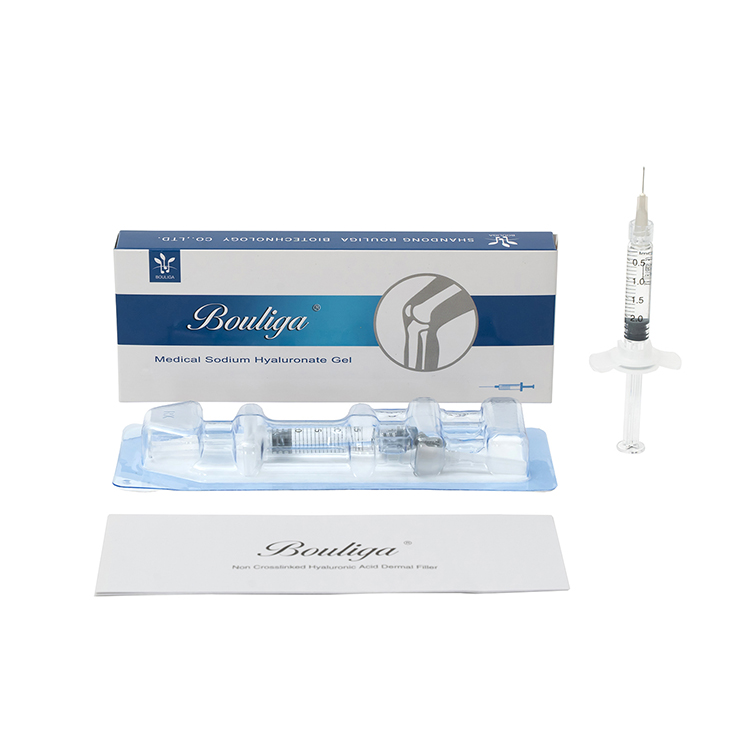
The pharmaceutical industry historically relied heavily on glass. However, dense biomaterials demand stronger alternatives. Today, engineers must choose between traditional glass and modern engineered polymers. Each material presents distinct clinical and manufacturing trade-offs.
Type I borosilicate glass remains a legacy industry standard. It boasts excellent clarity and an outstanding oxygen barrier. Many pharmaceutical companies prefer it for its long-standing regulatory history.
Advanced polymers like COP and COC represent the future of viscous biologic containment. These materials originate from precise injection molding processes.
Table 1: Primary Packaging Material Comparison
| Feature | Type I Borosilicate Glass | COP / COC Polymers |
|---|---|---|
| Breakage Resistance | Low (Prone to shattering under pressure) | High (Shatter-resistant) |
| Heavy Metal Risk | Moderate (Tungsten from forming pins) | None (Heavy-metal-free molding) |
| Dimensional Tolerance | Moderate (Tube-formed) | Exceptional (Injection-molded) |
| Oxygen Barrier | Excellent | Moderate (Requires secondary barriers) |
You must carefully match the material to the clinical application. When sourcing primary containers to hold 1 5ml sodium hyaluronate injections for knee or hip treatments, COP syringes excel. They significantly reduce breakage rates during manufacturing filling lines and clinical administration. This reliability improves overall operational efficiency. It also prevents dangerous needle-stick injuries during clinical procedures.
Evaluating primary containers requires looking past the base material. The internal surface treatments and physical connections determine actual performance. You must scrutinize specific manufacturing metrics before approving any container.
Syringe plungers need help moving inside the barrel. To allow the plunger to glide smoothly against viscous pressure, the syringe barrel requires a silicone coating. However, standard sprayed silicone oil causes severe problems. High-viscosity HA can strip free silicone droplets off the barrel walls. These droplets then migrate into the HA solution. They create unwanted particulates and can trigger adverse patient reactions.
Buyers must evaluate cross-linked or baked-on silicone technologies. Baked-on silicone bonds firmly to the polymer or glass surface. This technology ensures the plunger glides effortlessly while preventing silicone oil droplets from mixing into the formulation.
Connecting the needle safely is a high-risk failure point. High viscosity requires an exceptionally secure Luer lock. Standard slip-tip connections fail immediately under thick HA extrusion pressures. If the connection proves weak, the needle detaches violently. We call this a "blow-off" event.
Look for integrated, tamper-evident Luer lock adapters. Integrated locks mold directly into the syringe body. They eliminate the risk of the adapter popping off during use. They provide a hermetic seal, protecting sterility and ensuring all applied pressure directs the fluid through the needle.
You must review the osteoarthritis injections specifications for exact physical dimensions. Plunger rod compatibility is crucial. The rod must fit perfectly to prevent side-to-side wobbling during administration. Review the flange design carefully. Larger, ergonomic flanges provide clinicians with a better grip. This helps them control the high pressure needed for HA delivery.
Additionally, check the exact fill-volume limits. Viscous liquids leave residual volume inside the syringe tip (dead space). Tight dimensional tolerances minimize this dead space. This precision prevents expensive overfill wastage on your manufacturing line.
Primary containers hold the formulation. Secondary packaging protects the primary container. It serves as the final barrier against environmental contamination and physical damage.
The primary syringe must never travel exposed. It must be housed in a rigid or semi-rigid blister pack. Manufacturers typically seal these blisters with breathable materials like Tyvek®. This porous seal allows sterilizing gases to enter. However, it blocks all microbial life from penetrating afterward. The blister pack maintains an absolute sterile barrier up to the exact point of clinical use.
You must ensure the secondary packaging materials are fully validated for your chosen terminal sterilization method. Sterilization physics interact heavily with packaging polymers.
Shipping viscous biologics presents logistical hazards. Cartons must incorporate robust shock-absorbing designs. Sudden drops cause micro-fractures in glass or compromise blister seals. A well-engineered carton cradles the blister pack securely. Furthermore, secondary packaging must include track-and-trace serialization components. Barcodes and tamper-evident seals ensure global supply chain compliance and prevent counterfeiting.
A brilliant packaging design means nothing if the manufacturer cannot produce it consistently. Vetting suppliers requires stringent quality audits. You are not just buying plastic or glass. You are buying regulatory compliance.
Never compromise on baseline certifications. Shortlist only vendors holding active ISO 13485 certification for medical device quality management. Ask about their manufacturing environments. High-quality syringes require assembly inside ISO Class 5 or Class 7 cleanrooms. Anything lower introduces unacceptable particulate risks. A reliable partner welcomes third-party audits of these cleanroom facilities.
Regulatory bodies demand proof of safety. A reliable osteoarthritis injections supplier must provide comprehensive Type III Drug Master Files (DMF) or equivalent technical dossiers. These documents detail every chemical component used in the packaging. When you submit your final product for FDA or CE approval, you simply reference their DMF. If a supplier lacks a robust DMF, your regulatory approval process will stall indefinitely.
Many suppliers handle small clinical trials well. They often fail during commercial scale-up. Assess the supplier's true production capacity. Can they scale rapidly from a few thousand units to millions? Verify their risk mitigation plans for raw material shortages. They should source base polymers or glass tubing from multiple vetted sub-tier suppliers. Dual-sourcing prevents your production line from halting during global supply chain disruptions.
Always test before you sign long-term contracts. Request pilot samples early in your development phase. Run these empty samples through your existing fill-finish lines. Check for automated handling issues. Do the syringes jam in the star-wheels? Perform manual extrusion force testing with your actual HA formulation. This physical validation prevents catastrophic manufacturing failures down the road.
Common Mistake: Many buyers focus solely on unit pricing. They overlook the costs of line stoppages and batch rejections. Always prioritize dimensional consistency over cheap unit costs. Consistent packaging runs smoothly on automated lines, saving massive operational expenses.
Packaging for joint injections acts as an active, critical component of the therapy's safety and efficacy. Basic containment is no longer sufficient. Choosing the right materials protects both the formulation and the patient. Balancing the robust shatter-resistance of COP/COC polymers with precise, baked-on siliconization ensures smooth clinical administration. Furthermore, secure secondary sealing reduces severe clinical risks, infections, and costly product recalls.
To begin optimizing your procurement process, take immediate action. First, request DMF documentation from your shortlisted vendors. Second, order physical samples specifically for extrusion force testing with your formulation. Finally, initiate a rigorous quality audit of the supplier’s cleanroom facilities to verify their compliance standards in person.
A: COP is highly break-resistant, which is critical when clinicians apply significant thumb pressure to inject thick hyaluronic acid. It also eliminates the risk of heavy metal leaching found in some glass manufacturing processes. Additionally, COP allows for tighter dimensional tolerances during molding.
A: Depending on the packaging material and the specific HA formulation, terminal sterilization via steam (autoclave) is common for glass. For COP/COC or specific drug-device combinations, Ethylene Oxide (EO) is frequently utilized. Gamma irradiation is generally avoided because it degrades the hyaluronic acid polymers.
A: Silicone oil acts as a lubricant inside the syringe barrel, allowing the plunger to depress smoothly. However, excessive free silicone can mix with the product. High-quality packaging uses baked-on or cross-linked silicone to minimize migration while maintaining a low glide force.
