

Views: 0 Author: Site Editor Publish Time: 2026-09-14 Origin: Site


Let us be perfectly clear right from the start. We are evaluating medical aesthetic soft tissue injectables today. We are not discussing automotive materials or industrial putties. Large-volume body injectables carry vastly elevated stakes compared to standard facial dermal fillers. Injecting hundreds of milliliters of material into tissue magnifies any potential impurities. Clinic owners and procurement managers face significant liability risks when sourcing these high-volume products. They also face intense regulatory scrutiny and serious patient safety hazards. Sourcing substandard materials can destroy a clinical reputation overnight. This article provides a definitive, skeptical, and evidence-based framework for evaluating mandatory documentation. You will learn how to audit quality records before finalizing any procurement contract. We will show you exactly what to demand from manufacturers to protect your patients and your practice.
Validating quality records is a non-negotiable step to mitigate clinical complications (e.g., nodules, migration, severe inflammatory responses) and legal liabilities.
A credible supplier must proactively provide a Certificate of Analysis (COA), ISO 13485 certification, and comprehensive batch traceability.
Evaluating specific body fillers specifications (like endotoxin levels and cross-linking residue) directly impacts patient safety and treatment outcomes.
Thorough documentation bridges the gap between marketing claims and verifiable clinical efficacy when shortlisting a body fillers supplier.
Procurement is never just about finding the lowest unit cost. True success means achieving zero compliance breaches. It requires consistent clinical outcomes for every patient. You must also maintain seamless batch traceability in case a product recall occurs. Robust documentation serves as your primary defense against counterfeit medical devices. Relying solely on a brand name exposes your clinic to unnecessary vulnerability.
Poor vetting carries devastating clinical and financial consequences. Imagine discovering unverified endotoxin levels only after a patient develops severe granulomas. You might face costly lawsuits. Furthermore, incorrect or absent documentation can invalidate your clinic insurance. Insurers rarely cover damages caused by non-compliant or unverified medical devices. A single adverse event linked to poor procurement can jeopardize years of business growth.
Regulatory bodies view large-volume injectables through a highly critical lens. The FDA, European CE marking authorities, and local health agencies set strict baseline expectations. They closely monitor the line between on-label and off-label usage. Clinicians must rely on official documentation to justify their treatment protocols. Without these records, defending a clinical decision becomes nearly impossible during an audit.
Every reputable manufacturer should readily supply a standardized set of quality records. You must request these documents before you accept any product into your inventory. Missing files indicate a severely flawed quality management system.
A Certificate of Analysis must accompany every single batch. This document serves as the birth certificate for a specific lot of product. It validates predetermined purity, pH, and sterility criteria. Never accept a generic COA. The document must explicitly match the lot number printed on your physical product boxes.
This certification proves the manufacturer adheres to a comprehensive quality management system. ISO 13485 is specifically designed for medical devices. It ensures the facility maintains rigorous environmental controls and standardized manufacturing protocols. You must verify the expiration date on this certificate. Lapsed certificates render the documentation useless.
Biocompatibility data provides empirical evidence regarding tissue safety. These records prove the material does not induce systemic toxicity. They also rule out cytotoxicity and excessive localized inflammatory responses. Evaluating this data is crucial when injecting large volumes of foreign material into the human body.
You need documentation proving terminal sterilization processes. Manufacturers often use steam sterilization to guarantee a sterile barrier system. This validation ensures no opportunistic pathogens enter the syringe during the filling process. Compromised sterility leads directly to catastrophic biofilm infections.
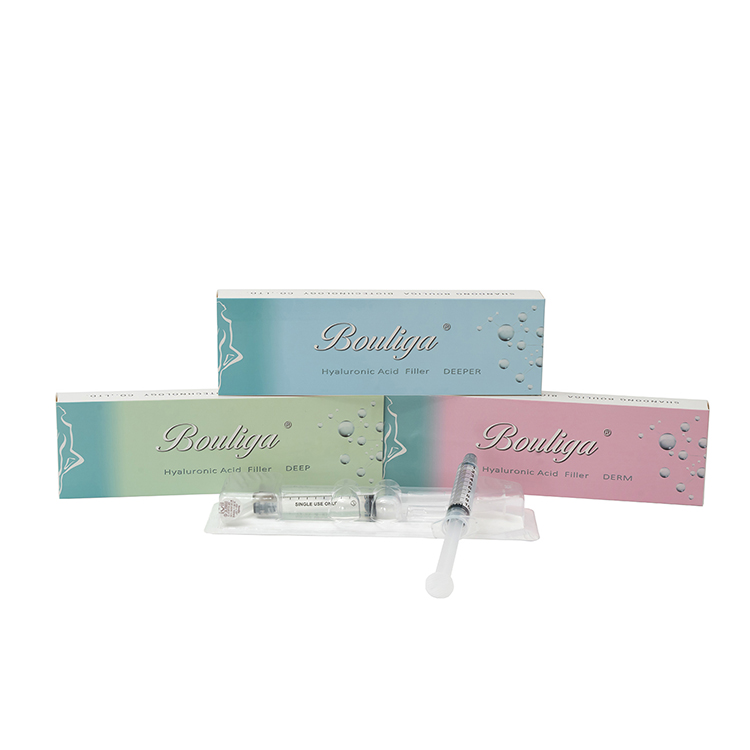
Technical data directly dictates clinical reliability. You cannot separate laboratory metrics from patient outcomes. Properly evaluating these specifications allows you to predict how a product will behave post-injection. We must map every technical feature to a specific clinical consequence.
Rheological properties require careful validation. You must request records detailing G-prime (elastic modulus), viscosity, and cohesivity. These numbers are absolutely crucial. They help you understand how the material will integrate into body tissue. High mechanical stress areas like buttocks or calves require high G-prime materials. If you use a product lacking sufficient elasticity, it will flatten and migrate prematurely.
Purity metrics often determine the long-term safety profile of the injection. Endotoxin limits must be documented clearly. The values must fall strictly under established safety thresholds. High endotoxin levels trigger late-onset inflammatory responses. Patients might return months later presenting swelling and pain.
You must also scrutinize BDDE residue levels. For cross-linked hyaluronic acid, records must prove unreacted BDDE (1,4-butanediol diglycidyl ether) trace levels are safe. Acceptable levels are typically undetectable or highly minimized. Unreacted BDDE poses known toxicological risks. You cannot compromise on this specific purity metric.
Different materials demand entirely different testing documentation. You cannot use a one-size-fits-all approach to audit medical devices. Hyaluronic acid (HA) products require molecular weight and cross-linking data. Conversely, bio-stimulators require extensive degradation and macrophage response data. You must adapt your procurement checklist based on the active ingredient.
Targeted application reviews are critical for niche products. When evaluating specific items—such as bouliga breast enhancement injection hyaluronic acid—purchasers must demand targeted clinical records. These records must demonstrate safety for large-volume, localized tissue expansion. Always verify local regulatory approval status for breast-specific applications. Some jurisdictions strictly regulate which materials can be placed near mammary glandular tissue.
Transparency in sourcing separates premium products from dangerous alternatives. Demand records detailing the origin of the raw materials. Most modern HA utilizes bio-fermentation rather than animal-derived sources. Bio-fermentation significantly lowers the risk of allergic reactions. You must also request documentation outlining the purification processes used after initial synthesis.
Procurement teams must act as cautious investigators. Reviewing paperwork is a proactive risk mitigation strategy. You will often encounter suppliers attempting to pass off substandard documents as legitimate. Knowing how to spot these red flags protects your patients from harm.
Beware of incomplete or generic COAs. Some suppliers offer static documents downloaded from a website. A valid COA is inherently batch-specific. If the numbers never change between shipments, the supplier is likely falsifying data. You should immediately halt procurement if you spot identical test results across different lot numbers.
Lapsed certifications pose another massive risk. Relying on expired ISO or CE documents creates instant legal liability. Always verify the current validity through third-party registrars. You can usually input the certificate number into a notified body database. This quick check takes minutes but prevents years of litigation.
Mismatched labeling indicates severe supply chain issues. Look for inconsistencies between the provided documentation and the physical syringe packaging. Language discrepancies, mismatched lot numbers, or differing expiration formats are major warning signs. These errors often indicate counterfeit products or unauthorized parallel imports.
Finally, look for post-market surveillance data. Quality manufacturers maintain accessible records of adverse event reporting. They conduct post-market clinical follow-ups continuously. If a manufacturer claims they have never had a single adverse event, they are likely lying. Transparent reporting demonstrates a mature quality management system.
Supplier Documentation Audit Matrix
Document Type | Standard Expectation | Critical Red Flags |
|---|---|---|
Certificate of Analysis | Batch-specific, signed by QA manager | Static data, missing lot numbers, no signature |
ISO 13485 Certificate | Current date, verifiable via registrar | Expired dates, modified PDFs, unverifiable numbers |
Sterilization Record | Proves terminal sterilization (e.g., steam/gamma) | Vague terminology, lack of standardized testing protocols |
Labeling Elements | Perfect match between box, syringe, and COA | Language typos, altered expiration stickers |
Choosing a reliable manufacturing partner requires a structured vetting framework. You cannot rely on sales pitches or glossy brochures. Evidence-based procurement demands a sequential evaluation process. We recommend implementing a strict three-step protocol for all new vendors.
Initial Compliance Check: Request all overarching certifications first. Verify ISO 13485 and CE marking/FDA registrations through independent databases. Reject any vendor failing this baseline test.
Product Specification Review: Analyze the COA and purity metrics. Look closely at endotoxin limits and rheological data. Ensure the specifications match your clinical requirements.
Supply Chain Auditing: Evaluate their cold chain logistics and batch tracking capabilities. Ask how they handle product recalls. A reliable vendor will have a documented recall procedure ready to share.
Test the vendor before requesting physical product samples. Ask for a complete sample documentation packet. A credible manufacturer will have this compiled and ready for immediate dispatch. If they hesitate or refuse to provide technical data, walk away. Legitimate companies view transparency as a competitive advantage.
Establish strict internal clinic protocols for receiving inventory. Dictate that no product enters your stockroom without a cross-checked, verified COA. Your receiving staff must match the delivery lot numbers directly to the paperwork. This final gatekeeping step ensures compromised products never reach the treatment room.
Robust documentation remains your only empirical defense against counterfeit or substandard medical devices. Relying on visual inspections of packaging is no longer sufficient in today's market. You must audit the underlying data supporting every single syringe.
Prioritize clinical evidence and transparency over pricing discounts. A cheap product becomes infinitely expensive if it causes a severe patient complication. Demand batch-specific COAs, verify ISO certifications, and scrutinize purity metrics. The right manufacturer acts as a long-term compliance partner, not just a transactional vendor. Protect your practice by making rigorous documentation your highest procurement priority.
A: A Certificate of Analysis (COA) is a quality assurance document issued for a specific batch of product. It details the exact testing results for purity, pH, sterility, and rheological properties. It guarantees the physical lot you received meets the manufacturer's established safety specifications.
A: You can verify ISO or CE certificates by identifying the issuing Notified Body or registrar listed on the document. Visit the registrar's official website and enter the certificate number into their public database. This instantly confirms if the document is active, suspended, or entirely fabricated.
A: Endotoxins can trigger severe late-onset immunological reactions and localized swelling. Unreacted BDDE is a toxic chemical residual from the cross-linking process. Because large volumes of material are injected during body contouring, even minute trace levels can accumulate, drastically increasing the risk of granuloma formation.
A: Yes. Large-volume injections subject the body to significantly higher amounts of foreign material. This requires heightened safety data regarding systemic toxicity, macrophage response, and tissue expansion dynamics. Documentation must explicitly demonstrate safety at these larger macro-doses, rather than relying on micro-dose facial data.
