

Views: 0 Author: Site Editor Publish Time: 2026-09-03 Origin: Site


Selecting the right packaging for mesotherapy products goes far beyond a simple pricing decision. It dictates your daily treatment workflow, sterility protocols, and clinic inventory management. Unlike traditional cross-linked volumizers, mesotherapy demands highly versatile delivery methods. Practitioners use manual injection, specialized meso-guns, or advanced microneedling devices depending on patient needs. This versatility makes the actual packaging format a critical variable in achieving clinic efficiency. Poor packaging choices disrupt seamless treatments and invite unnecessary risks. The baseline requirement remains absolute: any valid packaging must consistently preserve delicate formula stability. It must also adhere to strict aseptic standards from the manufacturer directly to the patient's skin. You cannot afford compromises in material integrity when injecting uncross-linked hyaluronic acid or potent vitamin cocktails. We will explore how different formats impact your practice and help you determine which option best fits your operational goals.
Pre-filled syringes prioritize rapid deployment and exact dosing for premium, targeted manual injections.
Vials and ampoules offer superior cost-efficiency and adaptability for high-volume clinics utilizing automated meso devices or fractional delivery.
Evaluating specific mesotherapy filler specifications (viscosity, active ingredient stability) is mandatory before matching a formulation to a dispensing format.
Partnering with a fully compliant, traceable mesotherapy filler supplier is non-negotiable for mitigating cross-contamination and supply chain risks.
Every administrative and clinical choice influences clinic profitability and patient safety. Packaging formats sit directly at this intersection. They determine how quickly practitioners move between patients. They also dictate how safely the product transitions from storage to injection.
Time acts as a crucial currency in any clinical setting. Format choices heavily impact your setup time and treatment turnaround. Pre-filled units eliminate setup friction entirely. Your clinical staff simply opens the blister pack, attaches the needle, and begins treatment. Conversely, drawing product from vials takes extra minutes. You must swab the stopper, insert a drawing needle, aspirate carefully, and swap to an injection needle. These minutes accumulate significantly in high-volume clinics. Faster setups improve patient flow. They also reduce clinical waste caused by cumbersome transfer processes.
Contamination risks vary wildly between different packaging styles. Pre-filled units minimize environmental exposure. The solution remains entirely sealed until the exact moment of injection. Vials introduce higher risks. Every time you puncture a rubber stopper, you risk introducing airborne pathogens. You must follow rigorous aseptic protocols when pulling from multi-dose vials. Practitioners must carefully balance the convenience of bulk formats against these strict sterility requirements. A single contamination event damages clinic reputation permanently.
Evaluating financial viability requires looking past the initial purchase price. You must analyze the true cost-per-treatment (CPT). Bulk vials often deliver substantial upfront savings. A 5ml vial looks cheaper per milliliter on a spreadsheet. However, these savings vanish quickly if you waste product. Once you break a vial seal, the clock starts on product degradation. If your protocol only requires 2ml, the remaining 3ml often becomes clinical waste. You must weigh bulk format savings against actual utilization rates. Pre-filled syringes guarantee zero product waste, potentially improving CPT for low-volume treatments.
Premium aesthetics clinics frequently lean heavily into pre-filled formats. They prioritize speed, precision, and guaranteed sterility over bulk volume. These formats elevate the standard of care for delicate, highly localized treatments.
Zero-prep deployment stands as the most obvious benefit. You bypass the entire drawing phase. This offers precise volumetric control right out of the box. The plunger mechanics provide excellent tactile feedback. You know exactly how much product enters the dermal layer. Furthermore, they drastically minimize the risk of environmental exposure during setup. Delivering a premium mesotherapy filler directly from its original syringe ensures maximum product integrity.
These formats shine in highly targeted manual injection techniques. Practitioners rely on them for addressing complex tear troughs. They work exceptionally well for resolving localized hyperpigmentation spots. You can also use them for precise neck line hydration. The tactile control allows for intricate micro-droplet techniques along delicate facial planes. You can pivot needle angles quickly without worrying about an unstable plunger.
Convenience carries a financial premium. Pre-filled units inherently possess a higher unit cost compared to bulk vials. They also offer far less flexibility. If a specific patient requires custom cocktailing, syringes pose a challenge. You cannot easily perform specific off-label dilutions inside a sealed syringe. Attempting to pull the plunger back to add saline or vitamins risks breaking the sterility seal.
Standard Luer-lock integration represents an industry baseline for syringes. This thread mechanism ensures secure attachment. You can easily integrate specialized micro-needles. For example, attaching 30G to 34G multi-pin heads takes seconds. The secure lock prevents product leakage during high-pressure manual injections. Always check thread compatibility before purchasing specialized needle tips.
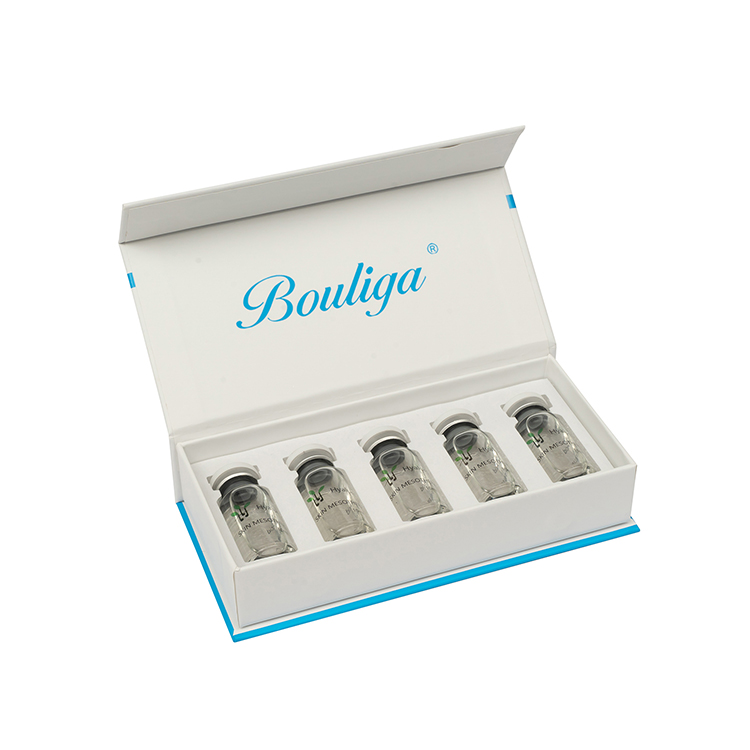
Device-assisted treatments consume significantly more product than manual injections. High-volume clinics require packaging that supports scalable, full-face or full-body protocols. Vials and ampoules answer this specific operational demand.
Standard 3ml to 5ml vials support comprehensive treatment plans. A full-face microneedling glide protocol often requires 3ml of product alone. Adding the neck and décolletage pushes this to 5ml or more. Bulk formats handle these volumes effortlessly. They prevent practitioners from opening multiple single-use syringes. This reduces packaging waste and streamlines the continuous application process.
Vials prove best suited for automated delivery systems. You can easily draw large volumes into meso-gun reservoirs. They serve perfectly as microneedling glide applications. You simply draw the required amount into a large sterile slip-tip syringe for continuous dripping. They also support customized dermal stamping devices. You just transfer the solution directly into the stamp's built-in reservoir.
Understanding the distinct handling requirements between glass ampoules and rubber-stopper vials remains critical for safety.
Comparison of Glass Ampoules and Rubber-Stopper Vials
Packaging Feature | Glass Ampoules | Rubber-Stopper Vials |
|---|---|---|
Sterility Profile | Absolute single-use sterility. | Allows for multiple draws; requires swabbing. |
Opening Mechanism | Snapping the glass neck. | Puncturing the rubber seal. |
Particulate Risk | High risk of glass shards if opened incorrectly. | Low risk; potential for rubber coring. |
Required Accessories | Filter needles strongly recommended. | Standard drawing needles (18G-22G). |
Storage After Opening | Cannot be stored; immediate disposal required. | Depends on specific formulation guidelines. |
Glass ampoules guarantee absolute single-use sterility. Once snapped, you must use the contents immediately. However, breaking them carries a risk of glass particulate contamination. You must use filter needles when drawing from ampoules. Rubber-stopper vials allow for multiple draws in a single session. They require strict aseptic swabbing before every puncture to prevent compromised sterility.
Before purchasing bulk formats, scrutinize the technical data. Evaluating mesotherapy filler specifications prevents procedural headaches. You must confirm that the formulation's viscosity allows for easy aspiration. Highly viscous products resist flowing through standard drawing needles. This resistance creates air bubbles inside the syringe. It also causes hand fatigue for the practitioner. Ensure the product flows smoothly for your intended delivery device.
Modern aesthetics rarely relies on a single active ingredient. Practitioners continuously push boundaries to achieve synergistic results. This evolution requires packaging formats that adapt to complex blending protocols.
Patients present complex skin concerns requiring multi-faceted solutions. Practitioners often blend a standard mesotherapy dermal filler with various additives. You might incorporate vitamins for brightening. You could add specialized peptides for tissue repair. Many advanced protocols even integrate micro-doses of neuromodulators to target superficial pores and sebum production. This high level of customization sets elite clinics apart from standard medspas.
Your chosen packaging must facilitate safe and easy mixing. Vials inherently support cocktailing. You can easily draw exact measurements from several different vials into a secondary sterile mixing syringe. A standard Luer-to-Luer connector seamlessly blends the liquids without exposing them to open air.
Pre-filled syringes severely complicate this process. You cannot easily inject secondary ingredients into a pre-filled glass barrel. Attempting to draw back the plunger to create space often compromises the primary product seal. It also risks introducing unsterile air into the mixture. If your practice focuses heavily on custom blending, vials remain the superior choice.
Regardless of the format, practitioners must respect chemical stability. We strongly warn against pre-mixing cocktails and storing them for future use. Combining different pH levels and preservatives can rapidly degrade active ingredients. Uncross-linked hyaluronic acid acts predictably on its own. However, mixing it with acidic vitamins alters its rheological properties. We emphasize point-of-care blending exclusively. You should only mix ingredients moments before injection. This guarantees maximum potency and patient safety, regardless of the initial packaging format.
Your packaging format strategy only succeeds if you source products reliably. The gray market for aesthetic injectables poses severe risks to patient safety and clinic licensure. You must establish strict vetting criteria for procurement.
Quality begins long before the product reaches your shelf. Establish strict criteria for ensuring your distributor maintains continuous temperature logs. Many mesotherapy ingredients require stable thermal environments to prevent protein denaturation. Request comprehensive batch tracking documentation. You need a clear line of sight from the original manufacturer directly to your clinic doors. A break in this chain invalidates the packaging's sterility guarantees.
Never rely on marketing brochures for safety data. Make it a standard practice to request Certificates of Analysis (CoA) for every batch. Verify that the supplier holds appropriate ISO, CE, or FDA certifications relevant to your operating jurisdiction. A reputable mesotherapy filler supplier proactively provides these documents. They understand that regulatory compliance protects both the clinic and the distributor.
Packaging formats dictate the required accessories. A reliable supplier should provision all requisite consumables alongside the main product. Consider the following necessities:
Sterile divider kits for safe product transfer.
Specific gauge needles (30G to 34G) optimized for the fluid's viscosity.
Luer-to-Luer transfer adapters for custom cocktailing.
Filter needles specifically designed for glass ampoule aspiration.
Consolidating your supply chain ensures that your needles perfectly match your chosen vials or syringes.
Even premium manufacturers occasionally produce defective packaging. You must assess the supplier’s protocol for handling compromised units. Establish clear guidelines for dealing with cracked glass ampoules upon delivery. Know exactly how they handle unseated syringe plungers or missing Luer-lock caps. Prompt replacements prevent treatment delays and protect your bottom line from unexpected losses.
Choosing the correct packaging format requires a strategic balance between clinical intent and operational reality. Pre-filled syringes stand out for speed, absolute safety, and targeted manual precision. They remain the gold standard for premium, localized treatments. Conversely, opt for vials or ampoules when executing high-volume, device-assisted treatments that require extensive custom cocktailing.
Before committing to large bulk inventory orders, we highly recommend conducting an internal audit of your clinic's most frequent delivery methods. Analyze how much product you truly use per session and track your current clinical waste. Align your purchasing strategy with your actual daily workflows.
As an actionable next step, advise your purchasing managers to request sample formats from shortlisted distributors. Ask for current specification sheets to test workflow compatibility firsthand. Testing a single vial or syringe in a simulated clinical setup reveals potential integration issues before they impact real patients.
A: Clinical guidelines strongly emphasize single-patient use for aesthetic injectables. Puncturing a vial introduces immediate contamination risks. Even under strict refrigeration, oxygen exposure begins degrading active vitamins and peptides. Storing punctured vials significantly increases the risk of bacterial proliferation. We advise discarding remaining product after a treatment session to ensure absolute patient safety and optimal clinical outcomes.
A: Yes. The required needle gauge depends entirely on the product's viscosity. Uncross-linked hyaluronic acid flows much easier than traditional volumizers. Standard mesotherapy formulations typically pair well with 30G to 34G needles. Using a needle that is too small for a highly viscous formula causes severe resistance, creating hand fatigue and inaccurate dosing. Always verify the manufacturer's gauge recommendations.
A: Authentic products feature multi-layered security measures. You should immediately check for intact anti-counterfeit QR codes and holographic tamper-evident seals on the outer box. Furthermore, match the batch numbers printed on the primary packaging directly with the supplier's Certificate of Analysis (CoA). If the lot numbers fail to align or the packaging looks compromised, quarantine the product immediately.
