

Views: 0 Author: Site Editor Publish Time: 2026-08-14 Origin: Site


You may have heard of “hyaluronic acid,” a well-known skincare ingredient praised for its hydrating and anti-aging properties. But have you heard of “sodium hyaluronate”? Although they sound similar, these two compounds are distinct, with sodium hyaluronate being a salt form of hyaluronic acid. This subtle difference plays a significant role in its effectiveness and versatility in cosmetic and medical applications. In this article, we will explore what sodium hyaluronate is, how it works, and why it has become such an essential ingredient in modern skincare formulations.
Sodium hyaluronate is the sodium salt of hyaluronic acid, a naturally occurring substance in the human body. Hyaluronic acid is found in various tissues, including the skin, joints, eyes, and connective tissues. It acts as a lubricant, shock absorber, and moisture reservoir, making it essential for healthy, functioning tissues. In the skin, hyaluronic acid maintains hydration by binding water molecules and keeping the skin plump and smooth.
When hyaluronic acid is converted into its sodium salt form—sodium hyaluronate—it becomes more stable, water-soluble, and easier to incorporate into cosmetic and pharmaceutical products. Sodium hyaluronate is a smaller, more stable molecule than its acid form, which allows it to penetrate deeper into the skin and provide more effective hydration. This is particularly beneficial for skincare formulations that aim to deliver intense moisture and reduce the appearance of fine lines and wrinkles.
Sodium hyaluronate is not only important in skincare but also in other medical applications. It is used in joint treatments, eye care, wound healing, and even in injectable dermal fillers. Its versatility makes it a cornerstone ingredient in both personal care and medical fields.
One of the key reasons sodium hyaluronate is so valued in skincare is its ability to retain moisture. It can hold up to 1,000 times its weight in water, which makes it an excellent humectant. When applied to the skin, sodium hyaluronate draws moisture from the air into the skin and locks it in, providing deep hydration that lasts. This helps the skin maintain its elasticity, smoothness, and overall appearance.
In addition to its water-binding properties, sodium hyaluronate also helps strengthen the skin’s natural barrier function, preventing moisture loss and protecting the skin from environmental stressors like pollution and UV rays. It has a calming effect on irritated skin, which makes it suitable for people with sensitive skin, and it can even aid in reducing redness and inflammation.
Apart from its skincare benefits, sodium hyaluronate is used in various other fields, such as:
Joint Care: In medical applications, sodium hyaluronate is injected into joints to treat osteoarthritis and improve joint mobility. It acts as a lubricant, helping to reduce friction and inflammation, and promoting overall joint health.
Eye Care: Sodium hyaluronate is often used in eye drops to relieve dryness and irritation by keeping the eyes moisturized.
Wound Healing: Sodium hyaluronate is also used in wound care, where it accelerates the healing process by promoting cell regeneration and reducing scarring.
Its wide range of applications in both cosmetic and medical treatments further illustrates its versatility and effectiveness.
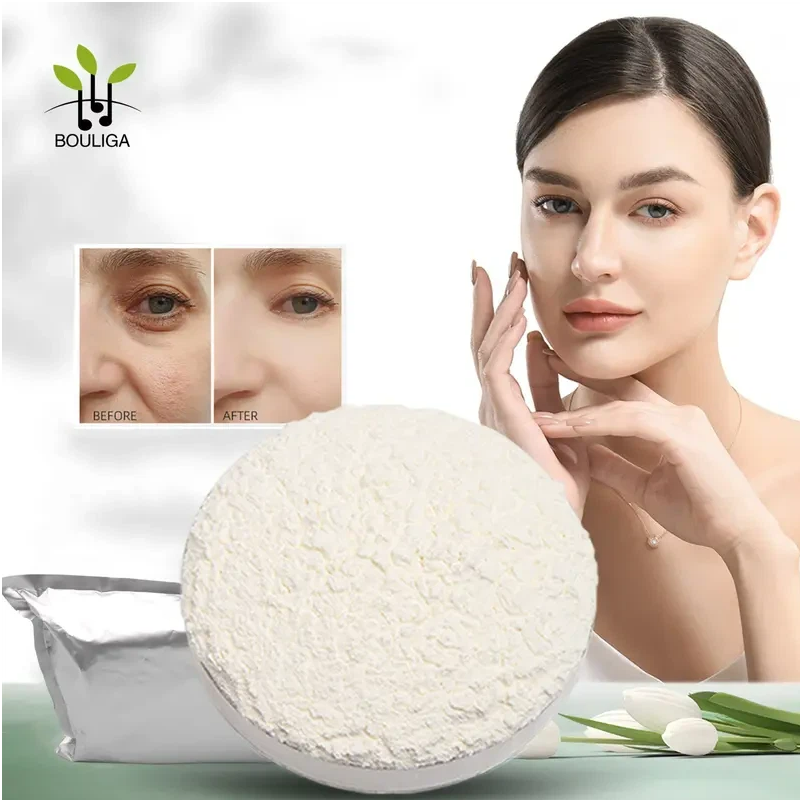
Sodium hyaluronate offers a variety of benefits to end users, particularly when it comes to skincare. Its hydration properties are second to none, which is why it is so frequently used in moisturizers, serums, and masks. Here are some of the key benefits of sodium hyaluronate for consumers:
Hydration and Plumping: Sodium hyaluronate's ability to bind water to the skin helps maintain moisture levels and prevent dryness, making it ideal for dry, dehydrated, or aging skin. By replenishing moisture, it can restore a youthful, plump appearance, reducing the visibility of fine lines and wrinkles.
Reduction of Fine Lines, Improved Elasticity: As we age, the skin loses its natural moisture, leading to the formation of fine lines and sagging. Sodium hyaluronate works by filling these lines and improving skin elasticity, resulting in smoother, firmer skin that appears more youthful.
Compatibility with Various Skin Types/ Formulations: One of the reasons sodium hyaluronate is so widely used in skincare is its compatibility with all skin types, including sensitive, oily, and acne-prone skin. It works well in both water-based and oil-based formulations, making it a versatile ingredient in many skincare products.
Its gentle nature means that sodium hyaluronate can be used by individuals with even the most delicate skin without irritation, making it a universally loved ingredient.
Not all sodium hyaluronate is created equal, which is why selecting the right grade for your specific needs is crucial. There are several factors to consider when choosing sodium hyaluronate for your products:
Purity: The purity of sodium hyaluronate is vital to ensure that it is free from impurities that could irritate the skin or affect the product’s performance. High-quality sodium hyaluronate is made from carefully controlled, non-animal sources to ensure a clean, effective product.
Molecular Weight: Sodium hyaluronate is available in different molecular weights, which determine how deeply it can penetrate the skin. Lower molecular weight sodium hyaluronate (typically below 500 kDa) can penetrate deeper into the skin, providing more intensive hydration. Higher molecular weight sodium hyaluronate (above 1,000 kDa) primarily works on the surface, forming a protective barrier to lock in moisture.
Source (Fermentation vs Animal): While animal-based sodium hyaluronate was once common, modern production methods typically rely on microbial fermentation to produce sodium hyaluronate. This process not only makes the product more sustainable but also ensures consistent quality and high purity. At Shandong Bouliga Biotechnology Co., LTD., we use advanced microbial fermentation methods to produce sodium hyaluronate that meets professional-grade standards.
Selecting the right grade of sodium hyaluronate ensures that you receive a product that meets your specific needs, whether it’s for cosmetic, medical, or joint care applications.
When selecting sodium hyaluronate for your skincare products, it’s essential to understand the quality and specifications of the ingredient. Here are some tips to help you choose the right sodium hyaluronate for your formulations:
How to Read Labels/Ask Suppliers: Look for clear labeling that specifies the molecular weight, source, and purity of sodium hyaluronate. Be sure to ask your supplier about the production process, as the source and method of extraction can affect the quality and performance of the product.
Why Partnering with a Supplier Who Understands Sodium Hyaluronate Matters: Choosing a supplier who has in-depth knowledge of sodium hyaluronate and its applications ensures that you receive a product that is not only effective but also safe and of the highest quality. At Shandong Bouliga Biotechnology Co., LTD., we pride ourselves on our expertise in producing sodium hyaluronate to meet the specific needs of our clients.
By understanding the key aspects of sodium hyaluronate and choosing a reliable supplier, you can make informed decisions that will benefit your skincare formulations and products.
Sodium hyaluronate is a powerful and versatile ingredient that has become a staple in the skincare and medical industries. By understanding what sodium hyaluronate is, how it works, and the benefits it offers, you can make more informed choices about the products you use or create. At Shandong Bouliga Biotechnology Co., LTD., we are proud to provide high-quality sodium hyaluronate produced through advanced microbial fermentation techniques. Our products offer superior hydration, anti-aging benefits, and skin compatibility, making them the perfect choice for your next skincare formulation. If you're looking for a reliable supplier of professional-grade sodium hyaluronate, don’t hesitate to contact us for more information.
1. What is the main benefit of sodium hyaluronate in skincare?
Sodium hyaluronate is known for its ability to retain moisture, which helps hydrate the skin and reduce the appearance of fine lines and wrinkles, providing a smooth and plump appearance.
2. Can sodium hyaluronate be used on all skin types?
Yes, sodium hyaluronate is gentle and works well with all skin types, including sensitive, oily, and acne-prone skin. It provides hydration without causing irritation.
3. How does molecular weight affect sodium hyaluronate's performance?
Low molecular weight sodium hyaluronate penetrates deeper into the skin, providing long-lasting hydration. High molecular weight sodium hyaluronate works on the surface, helping to lock in moisture and improve skin texture.
4. Why is microbial fermentation better than animal-derived sodium hyaluronate?
Microbial fermentation provides a more sustainable, consistent, and ethically sourced sodium hyaluronate. It also allows for better control over the purity and molecular weight of the product.
